




Sterile Processing
Latest News
Advertisement
Latest Videos









Shorts


CME Content


Advertisement
More News

What might infection prevention rounds miss when visible conditions dominate the conversation? Tommy Davis, PhD, CMIP, a member of ICT's executive advisory board, makes the case for structured observations of clinical workflows, shared accountability, and greater attention to environmental services staff’s insights.

A followed procedure can still leave patients at risk if it no longer matches validated requirements. Annetta L. McKnight, MHA, BSN, CRCST, CER, examines how infection prevention and sterile processing can identify process drift, assess disruptions, and strengthen shared oversight of medical device reprocessing.
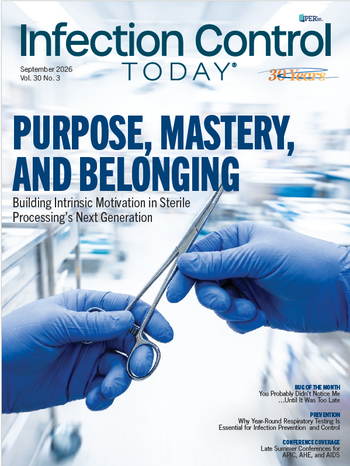
Infection Control Today celebrates 30 years of covering the people, science, and challenges shaping infection prevention with another milestone: its first digital magazine, featuring outbreak analysis, biosecurity, respiratory testing, sterile processing, professional leadership, conference coverage, and more.
A needlestick injury happens in seconds. Its cause may have started hours earlier. Amy Piser argues that getting closer to “sharps injury zero” requires health care organizations to stop focusing solely on the moment of injury and start examining the systems surrounding it.
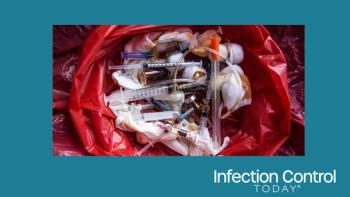
Coffee cups aren't infectious. Yet ordinary trash can end up in regulated medical waste streams, increasing both costs and environmental impact. Ashley L. Perry, MS, explains how hospitals can improve waste segregation, scrutinize green claims, and balance sustainability with infection prevention.
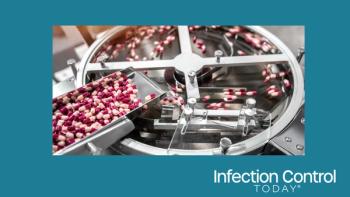
If your USP <797> environmental monitoring program only identifies problems after an excursion, are you really in control? Rhonda Lintner outlines 3 levels of maturity: compliance, data trending, and genus-level identification.

What if sterile isn't enough? Sterile processing has traditionally focused on ensuring instruments are cleaned, assembled, and sterilized correctly. But today's health care environment requires something more. This article explores why coordination between sterile processing, the operating room, supply chain, and clinical teams has become just as important as technical excellence. Learn why experts believe surgical readiness should become the next benchmark for sterile processing performance.

A new lawsuit alleges a contaminated Olympus duodenoscope transmitted a VRE infection during an ERCP, renewing concerns about endoscope reprocessing, device design, biofilm, and infection prevention and control (IPC) practices. What should IPC professionals know?

Manufacturer instructions that don't work in the real world? APIC and ACHC just released a game-changing toolkit. Learn how infection prevention and facilities leaders can now evaluate problematic disinfection guidelines with confidence, balance adherence with operations, and protect patient safety. Read the solution.

Think you know your infection control acronyms? Test your expertise with our ICT Expert Acronym Challenge! From CLABSI to VRE, this 20-question puzzle covers essential health care-acquired infection prevention terminology that every infection control professional should master. How many can you match correctly? Try the challenge now! Perfect for IPC specialists, infection prevention coordinators, and health care epidemiologists!
As health care-associated infections remain a major patient safety challenge, health care providers, pharmaceutical manufacturers, and medical device companies are investing in advanced sterilization technologies. From AI-powered monitoring and automation to low-temperature sterilization systems for complex medical devices, the sterilization equipment market is rapidly evolving to meet growing infection prevention demands. Learn what is driving market growth, how new technologies are improving safety and efficiency, and why sterilization remains a critical component of modern health care and life sciences operations.

Routine multidisciplinary rounding may be one of the most effective tools for preventing adherence drift in sterile processing. By engaging infection prevention, environmental services, facilities, safety, and SPD leadership, health care organizations can identify risks early, improve accountability, and strengthen patient safety. Read how a structured EOC rounding program can help keep departments survey-ready and adherent.
After identifying 2 colon surgical site infections in 2024, Orlando Health South Lake Hospital implemented a standardized perioperative checklist to improve adherence with colorectal SSI prevention practices. Presented at APIC 2026, the project increased appropriate antibiotic prophylaxis, reduced inappropriate antibiotic use, maintained 100% adherence with clean-dirty instrument protocols, and was associated with the elimination of additional colon SSIs during 2025.

An APIC26 poster described a systemwide initiative at Memorial Hermann Health System that improved staff understanding, consistency, and confidence in medical device cleaning and disinfection through education, manufacturer collaboration, and hands-on demonstrations.
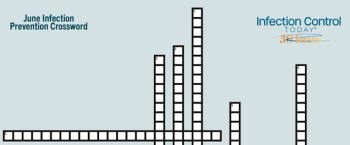
Infection Control Today's June's Infection Prevention and Control Crossword Puzzle
Published: | Updated:
Test your infection prevention and control knowledge with this IPC-themed crossword puzzle featuring terms and concepts related to hand hygiene, sterilization, PPE, outbreak prevention, and healthcare-associated infections. Designed for health care professionals, the puzzle offers an engaging way to reinforce key IPC principles while promoting education and awareness.
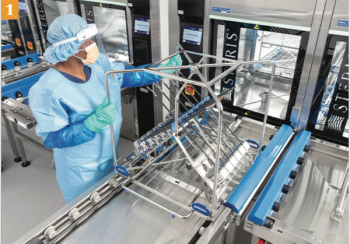
Over the past 30 years, as infection outbreaks, rapid service expansion, and increasingly complex medical devices transformed the landscape, sterile processing rose to the challenge by standardizing, modernizing, and innovating to keep patients safe.
Sterile processing departments (SPD) are increasingly being pushed beyond reactive maintenance models as equipment failures, workflow disruptions, and tray defects continue to impact surgical readiness and patient safety. This article explores why SPD may be uniquely positioned for an AI-driven predictive maintenance revolution, examining how systems thinking, IoT integration, human factors research, and real-time equipment monitoring could help reduce disruptions before failures occur. The piece also highlights the growing shift toward treating maintenance as a strategic reliability function tied directly to infection prevention, OR efficiency, and operational resilience across health care systems.

A 7-year study at a 1,900-bed academic medical center in Singapore found no epidemiological link between contaminated endoscopes and postprocedural bloodstream infections, despite routine microbiological surveillance detecting residual contamination.

The global infection control supplies market is projected to grow from $58.5 billion in 2026 to $106.1 billion by 2035 as healthcare systems invest more heavily in infection prevention, sterilization technologies, PPE, and automated disinfection solutions. Driven by rising healthcare-associated infections, aging populations, chronic disease burden, and increasing regulatory pressure, the market is evolving toward smarter, technology-enabled infection prevention strategies across hospitals, ambulatory surgical centers, and outpatient care settings.
Sterile Processing Under Pressure: What Penn State Health’s Instrument Sterilization Crisis Reveals About Patient Safety Risks
Published: | Updated:
Sterile processing departments are often called the invisible backbone of surgical care, but a recent investigation involving Penn State Health and Milton S. Hershey Medical Center highlights what can happen when those systems come under pressure. Reports of contaminated instrument trays, sterilization backlogs, staffing strain, and communication breakdowns are raising broader questions about patient safety, infection prevention infrastructure, and operational priorities across health care. ***Updated with an answer from Penn State Health.

A case study presented at HSPA 2026 revealed how 2 VA facilities overcame persistent bacteria, conductivity, and biofilm issues in sterile processing water systems through recirculation, system mapping, and multidisciplinary collaboration.

Research presented at HSPA 2026 shows multiple endoscope cleaning methods achieve similar outcomes, but pump-assisted and enhanced approaches reduce staff fatigue, injury risk, and missed steps, highlighting the importance of human factors in infection prevention.

As Arlene Bush, CRCST, CER, CIS, CHL, SME, DSMD, CRMST, concludes her HSPA presidency, she reflects on advocacy, certification efforts, and collaboration, emphasizing mentorship and continued progress in sterile processing ahead of the 2026 conference in Baltimore.

At AORN 2026, Colleen Becker, PhD, MSN, RN, CCRN-K, highlights how nursing education must evolve with technology, generational learning styles, and workforce shortages to better prepare nurses for modern health care challenges.
At AORN 2026 in New Orleans, a colorectal SSI bundle shows how standardized intraoperative nursing practices, interdisciplinary collaboration, and data tracking can reduce infections and improve surgical outcomes.
Advertisement
Advertisement
Trending on Infection Control Today
1
IDWeek 2026: Hospital Drain Snakes May Harbor Carbapenemase-Producing Organisms
2
NICU MRSA Outbreak: Whole Genome Sequencing Guides Infection Prevention Investigation
3
IDWeek 2026: Viral Hemorrhagic Fever Exposure and Infection Risk in Health Care Workers
4
Nursing Home Roommates and MDRO Carriage: MRSA, ESBL, and VRE Study Findings
5