




Prevention
Latest News
Advertisement
Latest Videos






Shorts

0:43
Why Correlation Isn't Causation: The Shark Attack Myth
2 days ago
Why Public Health Is the Foundation of America
6 days ago
0:45
Why Disagreement Is the Engine of Science
10 days ago
0:46
The Difference Between a Doctor and Public Health
13 days ago
0:54
Why Public Health Official Fail the "First Date" Test
15 days ago

0:56
How We Eradicated Cholera in Weeks
24 days ago
0:56
Why Healthcare Gains Are Fragile
a month ago
0:35
The Funding Model Transition Is Real
a month ago
0:54
A Message to World's Philanthropists
a month ago
0:46
A Powerful Message to Global Philanthropists on Health Equity
a month ago

Advertisement
More News
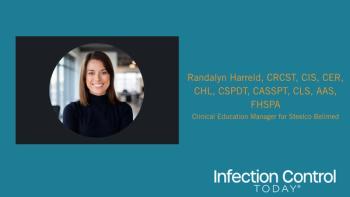
Sterile processing professionals face constant interruptions, cognitive overload, increasingly complex devices, and hundreds of IFUs. Randalyn Harreld, CRCST, FHSPA, explains why health care organizations must address the human factors behind SPD performance rather than expecting frontline professionals to simply absorb ever-increasing complexity.
Long-acting HIV therapies promise greater convenience, but fewer doses alone may not solve adherence or access challenges. Lloyd Bibby and Pooja Goyal, MS(Pharm), discuss patient choice, weekly oral and injectable therapies, health system capacity, equitable access, and the real-world measures that will define success.
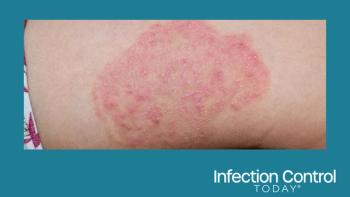
What Is Trichophyton indotineae? Drug-Resistant Ringworm Spreads to 29 Countries
Published: | Updated:
Drug-resistant Trichophyton indotineae has now been identified in 29 countries. Its resistance to first-line terbinafine, resemblance to other dermatophytes, and expanding global transmission are creating new challenges for diagnosis, treatment, surveillance, and antifungal stewardship.

Infection Control Today celebrates 30 years of covering the people, science, and challenges shaping infection prevention with another milestone: its first digital magazine, featuring outbreak analysis, biosecurity, respiratory testing, sterile processing, professional leadership, conference coverage, and more.

During National EVS Week, appreciation matters, but partnership matters more. Environmental services professionals bring infection prevention expertise and a unique understanding of the health care environment that can help identify barriers, improve cleaning and disinfection practices, and ultimately protect patients.
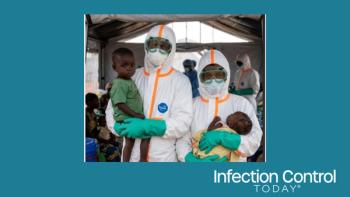
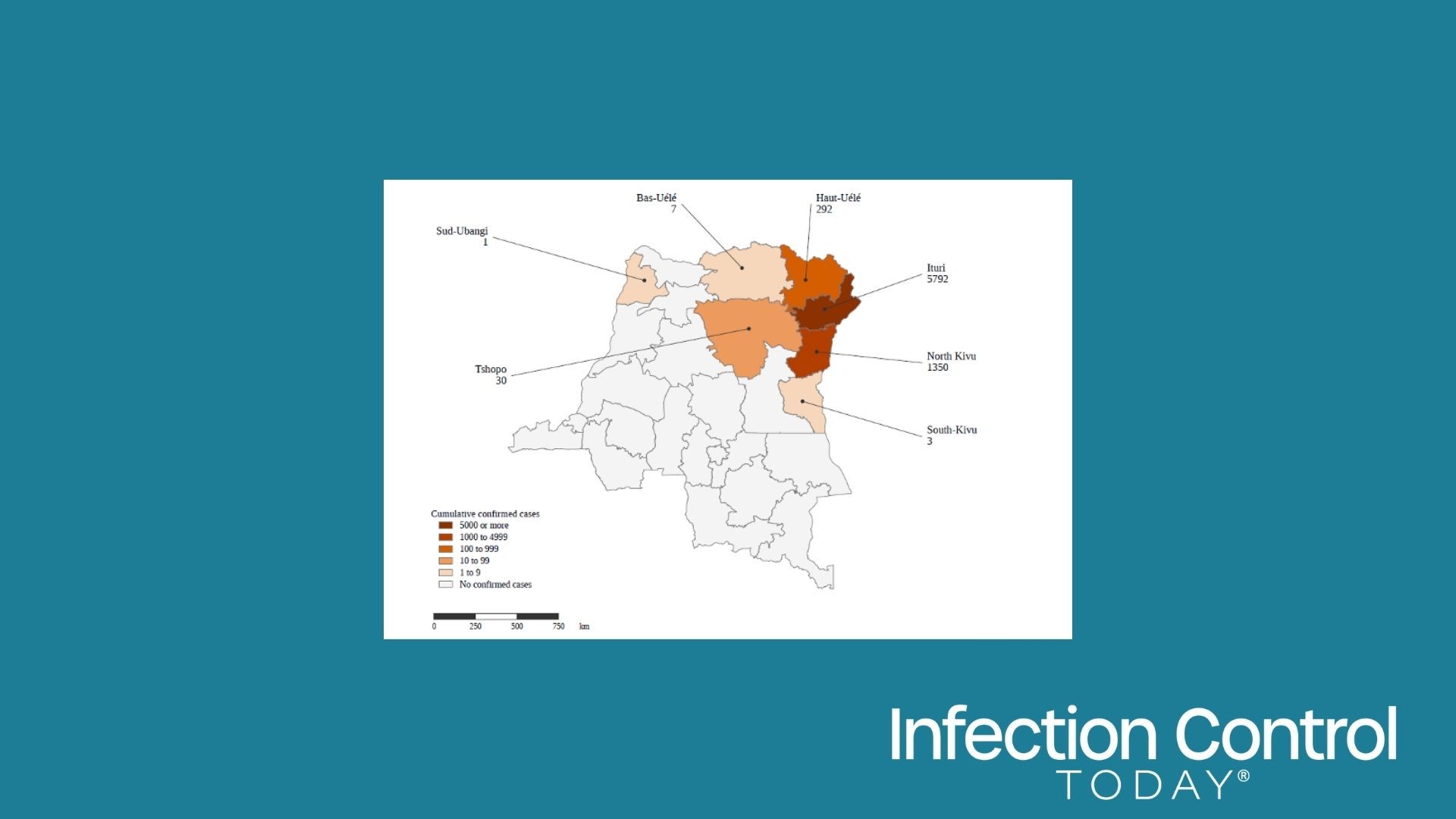
Nearly 4 months into the DRC's Bundibugyo virus disease outbreak, some indicators suggest transmission may be slowing. But shifting hotspots, treatment-center capacity problems, community deaths, and incomplete surveillance data show why national case totals alone cannot determine whether containment has been achieved.

As US measles cases climb into the thousands, immigration has become part of the political debate over the cause. Outbreak data point to a more complex picture involving international travel, declining vaccination coverage, pockets of susceptible populations, and highly efficient measles transmission. CDC reported 3,294 confirmed cases as of September 10.

CBIC and APIC say updated IPU requirements are intended to protect infection prevention education from commercial influence. But differing guidance, questions about industry support, and concerns about educational access leave IPs asking for a clearer, more consistent road map.

A surface can look clean and still carry significant bioload. The new Bioload Exposure Metric Index (BEMI) aims to standardize ATP sampling and move surface hygiene toward a measurable cleanliness score. If we can't measure clean, how do we know we've achieved it?
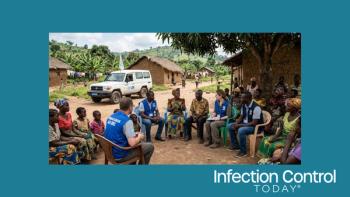
Is the Ebola outbreak in the DRC getting better? The answer depends on which numbers you examine. Several important indicators are moving in the right direction, including slower case growth and a declining Rₜ. But major gaps remain in contact tracing, testing, community deaths, safe burial coverage, and treatment capacity in some of the hardest-hit areas. ICT takes a deeper look at the latest outbreak data and why the numbers suggest cautious optimism, not victory.

How do you celebrate an infection that never happened? That's one of the unusual challenges infection preventionists share with teachers. Both can spend their careers changing outcomes they may never see. Both educate people who don't always want to listen. Both are second-guessed. Both face burnout. And both must somehow keep remembering why they started.

A needlestick injury happens in seconds. Its cause may have started hours earlier. Amy Piser argues that getting closer to “sharps injury zero” requires health care organizations to stop focusing solely on the moment of injury and start examining the systems surrounding it.
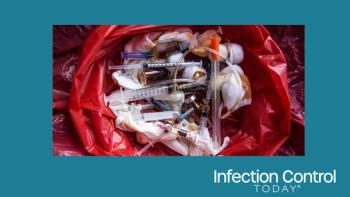
Coffee cups aren't infectious. Yet ordinary trash can end up in regulated medical waste streams, increasing both costs and environmental impact. Ashley L. Perry, MS, explains how hospitals can improve waste segregation, scrutinize green claims, and balance sustainability with infection prevention.

Bacteria have learned to evade many of our antibiotics. But what about defenses shaped by millions of years of evolution? An experimental peptide derived from the human immune protein CXCL10 targets resistant pathogens by exploiting a distinct bacterial vulnerability. The research is early, but the strategy could have implications far beyond a single drug candidate.
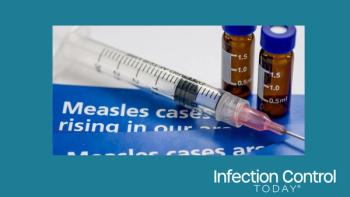
The US effectively eliminated measles once. Now cases are climbing again, infants remain vulnerable, people have died, and vaccine misinformation is undermining one of public health's greatest achievements. The price of forgetting what vaccines prevent can be measured in lives.

If your USP <797> environmental monitoring program only identifies problems after an excursion, are you really in control? Rhonda Lintner outlines 3 levels of maturity: compliance, data trending, and genus-level identification.
Infection Control Today has published several articles on CBIC's updated IPU requirements for Industry Partners. We have been given permission to post the joint response from CBIC and APIC on the coverage by ICT and on social media.

There’s a bat in the hospital. Now what? Before anyone swats it, grabs it, or throws it away, infection prevention needs staff to understand one thing: That bat may be critical evidence in determining whether patients and employees need rabies PEP. One bat. One bad decision. A potentially enormous exposure investigation.

CBIC's new IPU requirements are intended to protect continuing education from commercial influence. But they could also change who provides education, who funds it, and who ultimately pays for it. When “free” education gets more expensive to provide, somebody has to pick up the bill.

PCR hasn't killed culture. As AMR surveillance expands, selective culture media remain important for viable pathogen isolation, confirmation, characterization, and susceptibility testing. The global market is projected to reach $6.1B by 2035.

Infection Control Today's Educator of the Year Award Official Rules
Published: | Updated:
Here are the formal rules for the 2026 Winner of the Infection Control Today’s Educator of the Year Award™.

Can a UV-C robot make up for a surface that wasn't properly cleaned? Experts say that's the wrong way to think about the technology. UV-C can provide an additional layer of microbial reduction, but factors including shadows, distance, positioning, and exposure time mean it cannot replace thorough manual cleaning and disinfection.
During an expert panel at Exchange26 on whole-room microbial reduction technologies, regulatory and health care leaders discussed the distinction between FDA and EPA oversight, what constitutes a medical device claim, the risks surrounding unauthorized or off-label claims, and why IP and EVS professionals should verify a device's regulatory status rather than relying solely on vendor presentations.

At AHE Exchange26, experts revealed how surprisingly small gaps in linen education can contribute to waste, higher costs, and potential patient safety risks. The solution begins with something simple: helping everyone who touches health care linen understand why their role matters.

The childhood vaccine schedule is changing, but what happens when preventing disease becomes more complicated for families? Public health and infection prevention experts are raising concerns about access, missed vaccination opportunities, vaccine confidence, and what the changes could ultimately mean inside health care facilities.
Advertisement
Advertisement
Trending on Infection Control Today
1
When the Ebola Outbreak is Spreading Faster Than the Response Can Follow
2
Pathogen Pulse: The Alarming Rise of Dengue in Florida
3
How Can OR Teams Improve Environmental Cleaning Between Surgical Cases?
4
Sterile Processing Burnout and Cognitive Overload: How Interruptions, IFUs, and Human Factors Affect Patient Safety
5