

Phase 3 ISLEND trials presented at AIDS 2026 found an investigational once-weekly oral HIV regimen maintained viral suppression comparable to daily therapy while improving treatment satisfaction and flexibility.
Phase 3 ISLEND trials presented at AIDS 2026 found an investigational once-weekly oral HIV regimen maintained viral suppression comparable to daily therapy while improving treatment satisfaction and flexibility.
Please paste the article text (and the title if you have it). I’ll return a SEO-friendly meta description under 24 words and under 150 characters using your keywords.
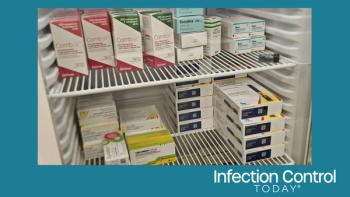
Hospitals still rely on manual temperature checks for vaccines, meds, blood, and lab samples, risking costs and safety. Automation improves adherence, reduces waste, boosts efficiency, and enables real-time visibility for smarter operations.
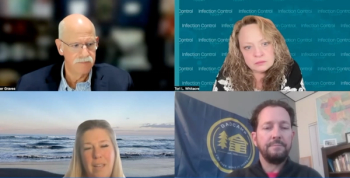
Reusable lead aprons and thyroid collars are used daily throughout hospitals, but often fall outside standardized cleaning protocols. Infection prevention and perioperative experts discuss contamination risks, ATP testing, operational barriers, and the need for multidisciplinary collaboration to strengthen environmental hygiene and reduce the risk of HAIs.

Foodborne outbreaks like Cyclospora are often blamed on contaminated produce, but delayed data sharing may be the larger problem. This article examines how modern digital traceability, standardized data systems, and faster outbreak investigations could reduce illnesses and improve food safety across the supply chain.
New research presented at AIDS 2026 found that 2-drug HIV regimens and long-acting injectable therapies provide effective treatment while expanding options for individualized care. Investigators say shared decision-making, adherence, quality of life, and reducing long-term medication exposure are increasingly important alongside achieving viral suppression.
New research presented at AIDS 2026 indicates that 2-drug HIV regimens and long-acting injectable therapies are effective treatment options that also enhance personalized care. Investigators highlight that shared decision-making, adherence, quality of life, and minimizing long-term medication exposure are becoming more vital alongside maintaining viral suppression.
Food safety experts explain how epidemiology, traceback investigations, surveillance, and food safety practices work together to identify contamination sources during Cyclospora outbreaks while highlighting ongoing challenges in protecting the food supply.
Antimicrobial resistance hotspot mapping combines laboratory results, antibiotic prescribing, patient movement, and environmental data to identify where resistant pathogens emerge and spread. Emerging research suggests integrated surveillance, AI, and One Health collaboration could improve infection prevention while helping health systems detect resistance earlier and target interventions more effectively.

Hung Cheung, MD, of the Alliance to Prevent Legionnaires' Disease, says preventing illness requires upstream water management, stronger surveillance, and earlier public health intervention.

A visibly clean health care environment does not always mean it is infection safe. Workflow, communication, equipment handling, and operational consistency often determine contamination risk.
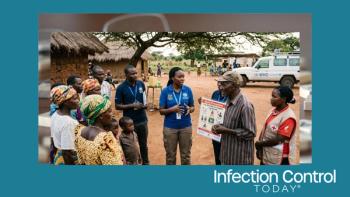
What does a measles exposure investigation have in common with an Ebola outbreak? More than you might think. A new perspective explores how trust, surveillance, and contact tracing shaped Uganda's successful Ebola response.
Sepsis diagnoses are increasing, but are health systems measuring true clinical deterioration or changes in documentation? A new perspective explores how real-time surveillance and coordinated workflows can improve sepsis response and patient outcomes.
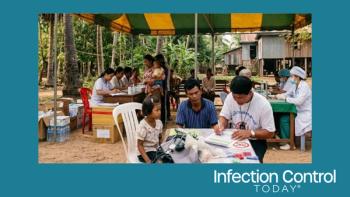
How much infection prevention training should volunteers receive before participating in medical missions? A new perspective in Infection Control Today follows one college student's experience volunteering in rural Cambodia, where he was asked to perform clinical tasks well beyond his training. Years later, he realized just how many infection prevention risks he had unknowingly encountered. The article explores what his experience reveals about volunteer preparation, resource-limited care, and why basic infection prevention education should be considered essential for anyone participating in clinical outreach. Read the full story.
Atea Pharmaceuticals completed enrollment in its Phase 3 C-FORWARD trial evaluating Bemnifosbuvir and Ruzasvir, advancing a simplified treatment approach for chronic hepatitis C.

International infection prevention leaders discuss how Ireland and Saudi Arabia educate, recruit, and prepare IPC professionals while advocating for broader, multidisciplinary career pathways worldwide.
The FDA says a recent false-positive laboratory result does not change its Cyclospora outbreak investigation. In a media briefing, agency officials explained why epidemiologic evidence and traceback investigations continue to point to shredded iceberg lettuce supplied by Taylor Farms as the source of a major multistate outbreak.

What if sterile isn't enough? Sterile processing has traditionally focused on ensuring instruments are cleaned, assembled, and sterilized correctly. But today's health care environment requires something more. This article explores why coordination between sterile processing, the operating room, supply chain, and clinical teams has become just as important as technical excellence. Learn why experts believe surgical readiness should become the next benchmark for sterile processing performance.
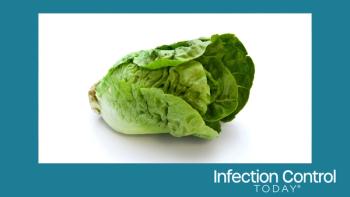
Cyclospora cases continue to rise across the United States, leaving many people with questions about symptoms, testing, and treatment. In this expert commentary, a physician explains: • Why Cyclospora is difficult to diagnose • Why symptoms can last for weeks • Why investigators linked the outbreak to contaminated lettuce • Why ivermectin is not an effective treatment • How you can reduce your risk
The FDA and CDC traced a Cyclospora outbreak to lettuce from Taco Bell in 5 states. Learn the latest findings, expert guidance, and what infection preventionists need to know.

This week in infection prevention: A cyclosporiasis outbreak has exploded to 1,645 confirmed cases across 34 states, existing Ebola vaccines don't protect against the Bundibugyo strain driving the current DRC outbreak, and the FDA has officially raised the bar for UVC disinfection technology, with only 2 vendors currently authorized. ICT's weekly roundup covers it all, plus practical IP guidance on Cyclospora diagnosis, contact tracing, and antimicrobial resistance.
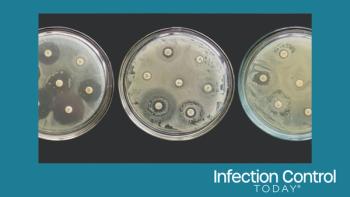
Gian Maria Rossolini, MD, discusses antimicrobial resistance, global surveillance, emerging drug-resistant pathogens, and how clinical microbiology can help improve patient outcomes and public health.

Could a badge, cell phone, or home-laundered scrub top contribute to infection transmission? AORN's updated 2025 Guideline for Surgical Attire reinforces that surgical attire is much more than a uniform. From laundering practices and beard covers to cleaning personal devices, the recommendations position attire as a key component of infection prevention and patient safety across the perioperative environment.
A major cyclosporiasis outbreak is underway. The CDC has confirmed 1,645 domestically acquired cases across 34 states since May 1 — with a multistate cluster of 400+ cases in Michigan, Ohio, West Virginia, and Kentucky that investigators believe may share a common food source. Lettuce and salad greens are under scrutiny. For IPs: Standard disinfectants won't eliminate Cyclospora, and the parasite is routinely missed in standard lab panels without a specific order.
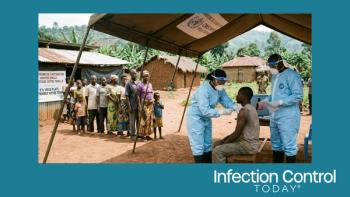
The latest Ebola outbreak is raising new challenges for global public health. Existing Ebola vaccines were designed for a different viral strain, leaving health care workers and communities to rely on supportive care while researchers test promising new treatments and vaccine candidates. Learn what this means for infection prevention professionals.
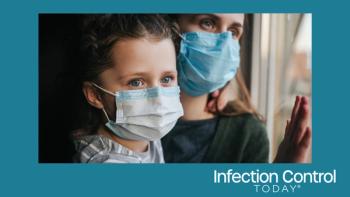
Why are US citizens still concerned about infectious diseases years after COVID-19? This interview explores public perceptions of Ebola, measles, vaccination, environmental contamination, and disaster recovery, and examines how education, preparedness, and infection prevention can strengthen public health resilience.
How can you prevent Cyclospora infection? This article outlines practical food safety measures, symptom recognition, diagnostic recommendations, and prevention strategies for patients and health care professionals during the current multistate Cyclospora outbreak.
Cyclospora infections are increasing across the US. This article explains how Cyclospora cayetanensis spreads, common symptoms, current outbreak investigations, and the role IPs and IPC professionals play in surveillance, diagnosis, reporting, and public health collaboration.
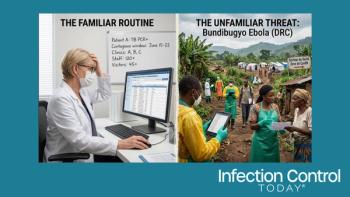
What makes contact tracing effective during an Ebola outbreak? This article explains how IPs and public health teams use the same core principles, such as rapid case identification, exposure assessment, contact monitoring, and community engagement, to reduce disease transmission. Using the ongoing Bundibugyo Ebola outbreak in the DRC as a case study, it highlights why trust, surveillance, and high contact follow-up rates remain essential to successful IPC efforts worldwide.
What are the most common infection control violations in dental practices? This article explains why hand hygiene, improper PPE use, and failure to wear utility gloves continue to challenge dental teams and offers practical, evidence-based strategies to improve OSHA adherence, strengthen infection prevention practices, and enhance patient and staff safety.