


TigerConnect's secure text-based platform, led by Will O'Connor, MD, reduces noise, minimizes wait times, and improves patient care through efficient clinical workflow coordination and nurse burnout alleviation.
TigerConnect's secure text-based platform, led by Will O'Connor, MD, reduces noise, minimizes wait times, and improves patient care through efficient clinical workflow coordination and nurse burnout alleviation.
Nature Communications published the results of a study on ARCT-154, CSL’s sa-mRNA COVID-19 vaccine. The study showed that it is well-tolerated, immunogenic, and effective against multiple strains.
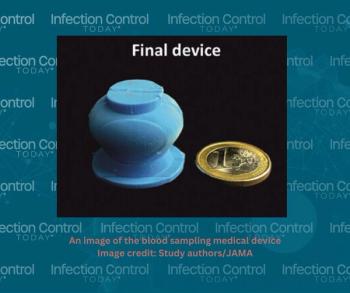
A new medical device uses microneedles and a suction cup to simplify blood sampling. It aids needle-phobic patients and benefits low-income regions with cost-effective diagnostics.
Discover how SpaceWalker's innovative cooling solutions reduce carbon footprints and ensure pharmaceutical integrity, setting new standards in sustainable cold chain logistics.
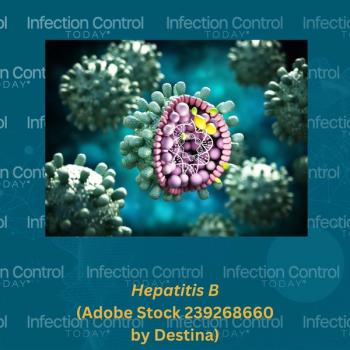
Health care has an unmet need for the treatment of herpesviruses, hepatitis B, and hepatitis D, which would enhance patient outcomes. What should be done, and what challenges do companies that are trying to develop treatments face?
Take 5 minutes to catch up on Infection Control Today®’s highlights for the week ending February 11, 2024.
Learn about FendX Technologies' breakthrough nanotechnology, including REPELWRAP film and a spray formulation, designed to prevent the spread of infectious diseases on various surfaces.
Take 5 minutes to catch up on Infection Control Today®’s highlights for the week ending December 10, 2023.
Staying Ahead with Company Updates and Product Innovations. This article's news is from BiomX, SHEA, and CSL and Arcturus Therapeutics.
Take 5 minutes to catch up on Infection Control Today®’s highlights for the week ending December 3, 2023.
GigaGen, a biotech company, secures an $11.8M contract expansion with the US Department of Defense to develop synthetic human antibody treatments for botulinum neurotoxins.
Take 5 minutes to catch up on Infection Control Today®’s highlights for the week ending November 25, 2023.
Take 5 minutes to catch up on Infection Control Today®’s highlights for the week ending November 19, 2023.
Staying Ahead with Company Updates and Product Innovations. This week's news is from AstraZeneca, DayZero and Oxford Nanopore, Ohmnilab, and NIH.