

Prevention
Latest News
Advertisement
Latest Videos




Shorts

0:46
Why “Trust the Science” Failed During COVID-19
5 days ago

0:41
How Electronic Systems Revolutionize Small Hospital Infection Control
6 days ago
0:46
The Crisis of “White Coat” Misinformation
8 days ago
0:32
Is Public Health a National Security Issue?
13 days ago
COVID-19 vs Foreign Threats: The Reality
20 days ago
0:39
Why Vulnerability Makes Us All Less Safe
25 days ago
0:43
Why Correlation Isn't Causation: The Shark Attack Myth
a month ago
Why Public Health Is the Foundation of America
a month ago
0:45
Why Disagreement Is the Engine of Science
a month ago
0:46
The Difference Between a Doctor and Public Health
a month ago
CME Content



Advertisement
More News

An imported case of Bundibugyo virus disease in Kenya raises questions about airport screening, clinical recognition, and potential exposures, highlighting the importance of coordinated contact tracing and hospital infection prevention readiness.
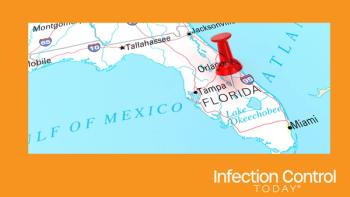
Florida’s dengue outbreak highlights the importance of recognizing symptoms, identifying warning signs, and preventing mosquito bites. Ubong Johnson, MD, explains local transmission, diagnostic testing, treatment, and practical prevention measures.

Understanding current water quality is a starting point for ST108 implementation. John Kimsey, vice president of processing optimization and customer success for STERIS, spoke about his HSPA presentation on assessing readiness, distinguishing system qualification from routine testing, and understanding where water samples should be collected.

An unexplained death at a Russian plague research institute has prompted international scrutiny. The incident raises questions about laboratory safety, transparent reporting, and infection prevention preparedness while the cause remains unconfirmed.

Behind every landmark in infection prevention, from antimicrobial stewardship guidelines to the COVID-19 town halls that reached flight attendants and teachers, is a generation of physician-scientists who led SHEA through crises, organizational change, and scientific breakthroughs. Infection Control Today traces 30 years of SHEA presidents and the lasting mark they left on the field.

Missing instruments and processing delays can strain OR–SPD relationships. At AORN 2026, John Kimsey, vice president of processing optimization and customer success for STERIS, discusses understanding root causes, exploring off-site reprocessing for ambulatory surgical centers, and using hands-on simulation to help surgical teams see sterile processing from a different perspective.
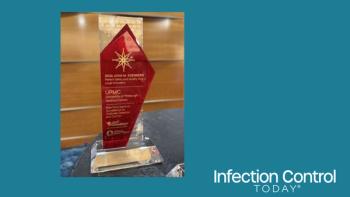
UPMC’s genomic surveillance initiative earned national recognition for patient safety. Alexander Sundermann, DrPH, CIC, FAPIC, AL-CIP, explains how the award could help infection preventionists secure leadership support and sustainable funding for earlier outbreak detection.

Knowing the protocol is only the beginning. In The Clean Bite, Sherrie Busby explores how explaining the why, addressing staff concerns, and creating clear procedures can help dental teams make infection control part of everyday practice.

What might infection prevention rounds miss when visible conditions dominate the conversation? Tommy Davis, PhD, CMIP, a member of ICT's executive advisory board, makes the case for structured observations of clinical workflows, shared accountability, and greater attention to environmental services staff’s insights.
A proposed $27.7 million reduction in AHRQ funding raises questions about support for infection prevention research and implementation. Here is what the September 25 announcement identifies, as well as what remains unknown about specific IPC programs.

A followed procedure can still leave patients at risk if it no longer matches validated requirements. Annetta L. McKnight, MHA, BSN, CRCST, CER, examines how infection prevention and sterile processing can identify process drift, assess disruptions, and strengthen shared oversight of medical device reprocessing.

In 1926, Karen Jones’s grandmother lost 5 children to measles in 8 days. A century later, Jones connects that devastating family history to vaccination, outbreak preparedness, and the role of infection preventionists in building trust.

The knowledge used to prevent infections can also be misused. Through a personal reflection on gaming, AI, and biological research, an infection preventionist explores why faster answers make human judgment, peer consultation, and accountability increasingly important.
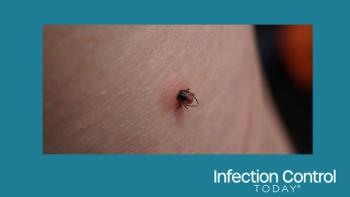
A study of 193,260 individuals found overlapping tick-borne antibody levels more frequently among those with Lyme antibodies, highlighting diagnostic challenges when active coinfections are not confirmed.

A shifting mask or fogged eyewear can interrupt focus when precision matters most. Dana Weaver Storm, MHA, BSN, RN, examines the challenges of prolonged surgical mask use and how perioperative leaders can support comfort, visibility, and consistent adherence.

Turnover pressure can leave critical OR cleaning steps unfinished. Karen deKay, MSN, RN, EBP-C, CNOR, CIC, FAPIC, examines common gaps in environmental hygiene and how shared responsibilities, attention to disinfectant contact time, and ongoing education can help teams strengthen practices between cases.

A patient with fever and no recent travel could still have dengue. Florida’s local transmission highlights why clinicians and infection preventionists should look beyond travel history and recognize warning signs.
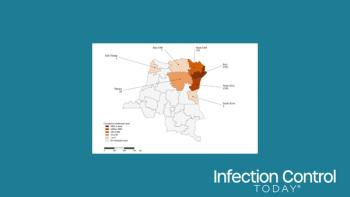
High contact follow-up rates suggest progress, but who is being missed? Inside the DRC’s Ebola response, shortages, strained treatment centers, and gaps in community trust reveal a more complicated story.
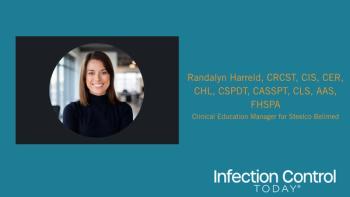
Sterile processing professionals face constant interruptions, cognitive overload, increasingly complex devices, and hundreds of IFUs. Randalyn Harreld, CRCST, FHSPA, explains why health care organizations must address the human factors behind SPD performance rather than expecting frontline professionals to simply absorb ever-increasing complexity.
Long-acting HIV therapies promise greater convenience, but fewer doses alone may not solve adherence or access challenges. Lloyd Bibby and Pooja Goyal, MS(Pharm), discuss patient choice, weekly oral and injectable therapies, health system capacity, equitable access, and the real-world measures that will define success.
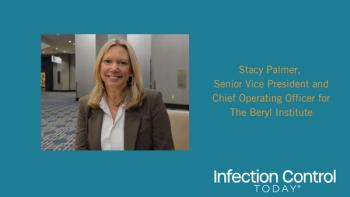
At AHE 2026 in New Orleans, The Beryl Institute's Stacy Palmer discussed 8 guiding principles for experience excellence and why EVS professionals influence far more than environmental cleanliness. Their interactions, workplace culture, and connection with patients help shape the overall human experience of health care.
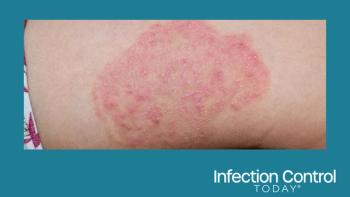
What Is Trichophyton indotineae? Drug-Resistant Ringworm Spreads to 29 Countries
Published: | Updated:
Drug-resistant Trichophyton indotineae has now been identified in 29 countries. Its resistance to first-line terbinafine, resemblance to other dermatophytes, and expanding global transmission are creating new challenges for diagnosis, treatment, surveillance, and antifungal stewardship.

Infection Control Today celebrates 30 years of covering the people, science, and challenges shaping infection prevention with another milestone: its first digital magazine, featuring outbreak analysis, biosecurity, respiratory testing, sterile processing, professional leadership, conference coverage, and more.

During National EVS Week, appreciation matters, but partnership matters more. Environmental services professionals bring infection prevention expertise and a unique understanding of the health care environment that can help identify barriers, improve cleaning and disinfection practices, and ultimately protect patients.
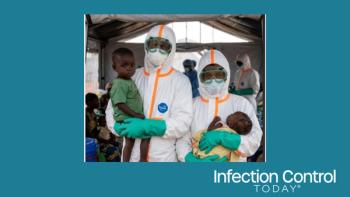
Nearly 4 months into the DRC's Bundibugyo virus disease outbreak, some indicators suggest transmission may be slowing. But shifting hotspots, treatment-center capacity problems, community deaths, and incomplete surveillance data show why national case totals alone cannot determine whether containment has been achieved.
Advertisement
Advertisement
Trending on Infection Control Today
1
International Infection Prevention Week 2026: The Roles of IPs, SPD, and EVS
2
Guinea-Bissau Hepatitis B Vaccine Trial: Birth-Dose Concerns and Research Ethics
3
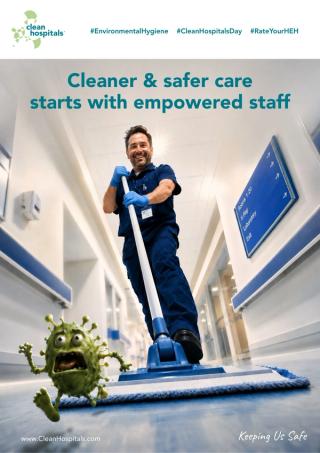
Clean Hospitals Day 2026: How to Empower Environmental Services Staff
4
Sterile Processing Week: Recognizing SPD’s Role in Patient Safety and Infection Prevention
5