|Articles|December 21, 2011

Making Sense of Disinfectant Labels: A Step-By-Step Approach

Every day infection preventionists (IPs) and other healthcare personnel face significant challenges due to evolving technology, healthcare reform and, of course, time constraints. Choosing the right disinfectant products must be a carefully made decision but it shouldnt be burdensome. Yet, because healthcare products are continually being released, updated and retired from the marketplace, IPs would be challenged to monitor the status of every single item within their facilities. This article will provide a methodical approach to evaluate and effectively use healthcare disinfectants.

Related to this article

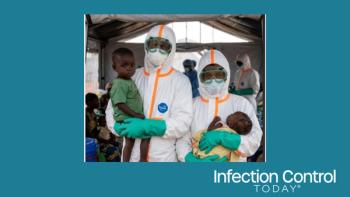
Infection preventionists in full PPE with children in DRC.  (Image credit: author with AI)
Nearly 4 months into the DRC's Bundibugyo virus disease outbreak, some indicators suggest transmission may be slowing. But shifting hotspots, treatment-center capacity problems, community deaths, and incomplete surveillance data show why national case totals alone cannot determine whether containment has been achieved.
Dyan Troxell, MSN, RN, director of clinical education at HandCraft Linen Services; J.J. Odom, MBA, CHESP, CMIP, T-CHEST, university director of buildings and grounds for UConn Health and chair-elect of the AHE Board; and Jenna Rivers, MPH, CPH, CIC, manager of infection prevention and control at Moffitt Cancer Center in Tampa, Florida.
At AHE Exchange 2026, ICT spoke with experts representing commercial laundry services, EVS, and infection prevention about the systems behind a successful reusable linen program. They discuss linen quality, reject rates, unnecessary waste, frontline education, data, PAR levels, infection prevention oversight, and why strong relationships between health care facilities and their laundry providers matter.