


Environmental Services
Latest News
Advertisement
Latest Videos






Shorts

0:38
The Hidden Reality of Working in Lead
2 months ago
0:35
The Secret to Better Staff Accountability
2 months ago
0:58
New Medical Gear Isn't as Clean as You Think
2 months ago
0:36
Why Your Hospital Lead Might Be Grosser Than You Think
2 months ago
0:36
The 'Dry Heave' Counter in Our Supply Room
2 months ago
0:36
The Hidden Truth About 'Clean' Hospital Gear
2 months ago

1:15
Why You Should Not Hesitate to Get a Second Opinion
7 months ago

1:22
Hidden Hazards: Why Hospital Sink Drains Are a Biofilm Breeding Ground
a year ago
by
Tori Whitacre Martonicz, MA

0:52
Unsung Heroes: Elevating EVS as Full Partners in Infection Prevention
a year ago
by
Tori Whitacre Martonicz, MA

1:22
Far-UVC: Clean Air for All, Not Just a Privilege
a year ago
by
Tori Whitacre Martonicz, MA
CME Content



Advertisement
More News
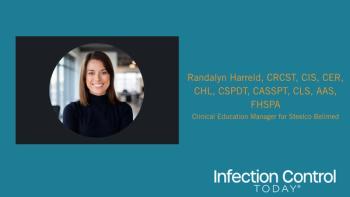
Sterile processing professionals face constant interruptions, cognitive overload, increasingly complex devices, and hundreds of IFUs. Randalyn Harreld, CRCST, FHSPA, explains why health care organizations must address the human factors behind SPD performance rather than expecting frontline professionals to simply absorb ever-increasing complexity.

During National EVS Week, appreciation matters, but partnership matters more. Environmental services professionals bring infection prevention expertise and a unique understanding of the health care environment that can help identify barriers, improve cleaning and disinfection practices, and ultimately protect patients.
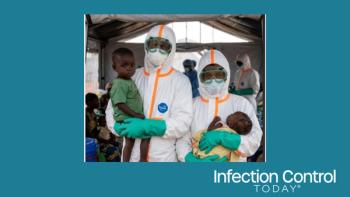
Nearly 4 months into the DRC's Bundibugyo virus disease outbreak, some indicators suggest transmission may be slowing. But shifting hotspots, treatment-center capacity problems, community deaths, and incomplete surveillance data show why national case totals alone cannot determine whether containment has been achieved.

A surface can look clean and still carry significant bioload. The new Bioload Exposure Metric Index (BEMI) aims to standardize ATP sampling and move surface hygiene toward a measurable cleanliness score. If we can't measure clean, how do we know we've achieved it?

How much linen is enough, and where does it all go? EVS, infection prevention, and laundry experts discuss PAR levels, linen loss, staff education, data, accountability, and building better reusable linen programs.
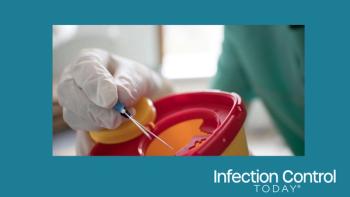
A needlestick injury happens in seconds. Its cause may have started hours earlier. Amy Piser argues that getting closer to “sharps injury zero” requires health care organizations to stop focusing solely on the moment of injury and start examining the systems surrounding it.
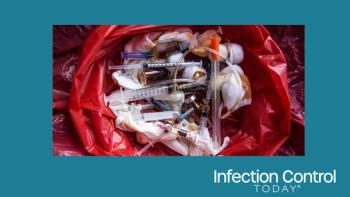
Coffee cups aren't infectious. Yet ordinary trash can end up in regulated medical waste streams, increasing both costs and environmental impact. Ashley L. Perry, MS, explains how hospitals can improve waste segregation, scrutinize green claims, and balance sustainability with infection prevention.

If your USP <797> environmental monitoring program only identifies problems after an excursion, are you really in control? Rhonda Lintner outlines 3 levels of maturity: compliance, data trending, and genus-level identification.

There’s a bat in the hospital. Now what? Before anyone swats it, grabs it, or throws it away, infection prevention needs staff to understand one thing: That bat may be critical evidence in determining whether patients and employees need rabies PEP. One bat. One bad decision. A potentially enormous exposure investigation.

“Cutting” waste shouldn’t mean cutting people. At AHE Exchange26, David Green and Donald Sipp explored how EVS departments can improve performance by strengthening workplace culture, empowering employees, eliminating inefficient processes, and understanding EVS’s critical role in patient throughput. One case study showed bed turnaround times falling from nearly 2 hours to less than an hour, but the larger lesson wasn't simply about speed. High-performing EVS operations begin with a strong foundation.

At AHE Exchange26, experts revealed how surprisingly small gaps in linen education can contribute to waste, higher costs, and potential patient safety risks. The solution begins with something simple: helping everyone who touches health care linen understand why their role matters.

Reusable lead aprons and thyroid collars are used daily throughout hospitals, but often fall outside standardized cleaning protocols. Infection prevention and perioperative experts discuss contamination risks, ATP testing, operational barriers, and the need for multidisciplinary collaboration to strengthen environmental hygiene and reduce the risk of HAIs.

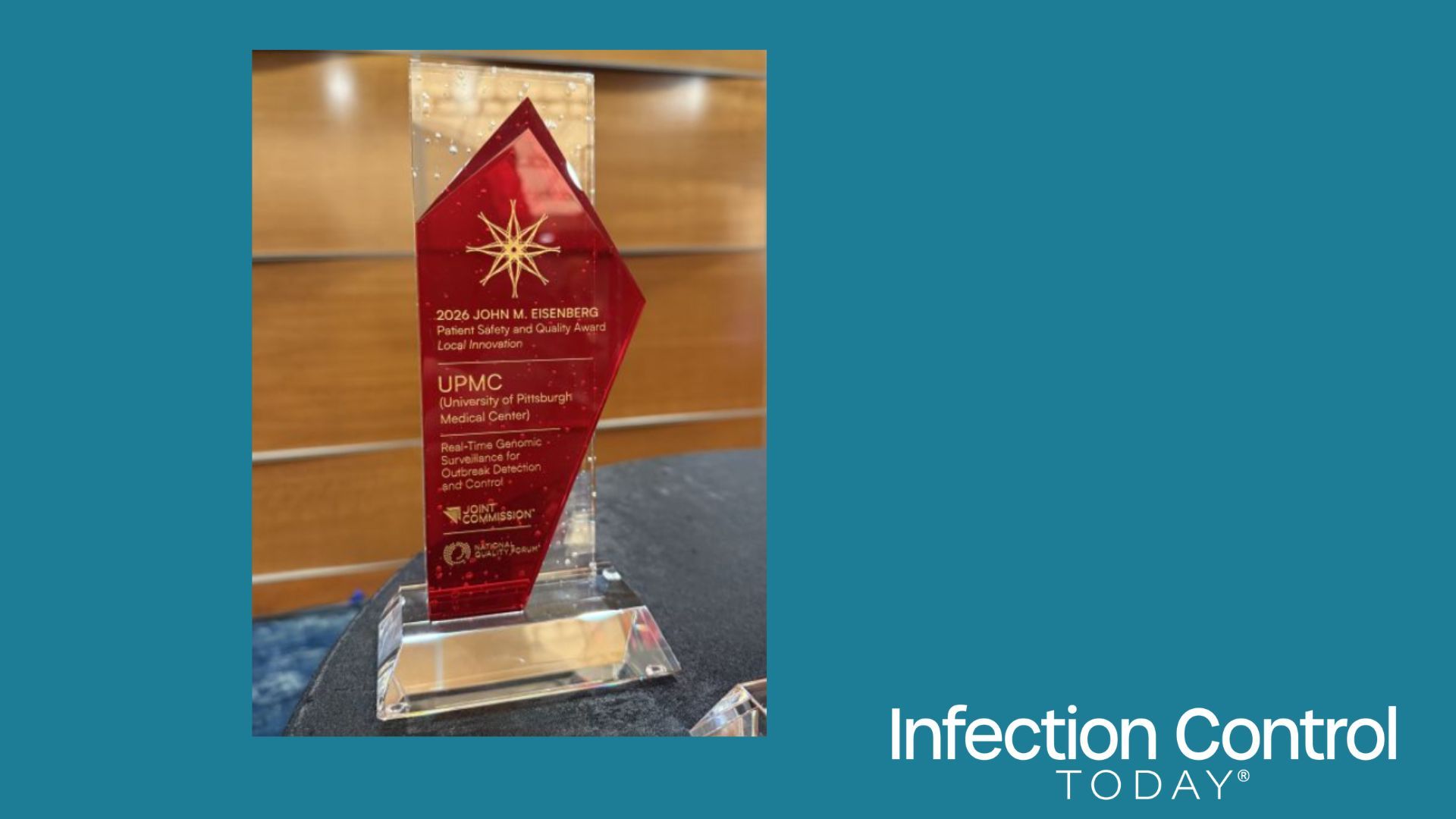
Claryx has emerged from stealth with funding and a genomic surveillance platform designed to help hospitals identify hidden transmission chains, trace infection sources, and intervene before outbreaks grow.
Reusable lead aprons and thyroid collars are used daily throughout hospitals, but often fall outside standardized cleaning protocols. Infection prevention and perioperative experts discuss contamination risks, ATP testing, operational barriers, and the need for multidisciplinary collaboration to strengthen environmental hygiene and reduce the risk of HAIs.

Evidence-based guidance outlines practical strategies for preventing infectious disease outbreaks in K–12 schools through hand hygiene, environmental cleaning, ventilation, illness monitoring, vaccination, and food safety.
Following the first reported deaths linked to the Cyclospora outbreak, epidemiologist Tyler Smith, PhD, explains why investigations are so challenging and how infection preventionists can strengthen surveillance and prevention.
Experts say ATP testing, quality improvement projects, and personal patient stories can help infection preventionists secure leadership support for standardized lead apron cleaning and stronger environmental hygiene practices.
Reusable lead aprons and thyroid collars are used daily throughout hospitals, but often fall outside standardized cleaning protocols. Infection prevention and perioperative experts discuss contamination risks, ATP testing, operational barriers, and the need for multidisciplinary collaboration to strengthen environmental hygiene and reduce the risk of HAIs.
Environmental testing found bacterial contamination on many lead garments and described what lead garment cleaning technicians routinely encounter during servicing.
Hospitals still rely on manual temperature checks for vaccines, meds, blood, and lab samples, risking costs and safety. Automation improves adherence, reduces waste, boosts efficiency, and enables real-time visibility for smarter operations.
Reusable lead aprons and thyroid collars are used daily throughout hospitals, but often fall outside standardized cleaning protocols. Infection prevention and perioperative experts discuss contamination risks, ATP testing, operational barriers, and the need for multidisciplinary collaboration to strengthen environmental hygiene and reduce the risk of HAIs.
A visibly clean health care environment does not always mean it is infection safe. Workflow, communication, equipment handling, and operational consistency often determine contamination risk.

How much infection prevention training should volunteers receive before participating in medical missions? A new perspective in Infection Control Today follows one college student's experience volunteering in rural Cambodia, where he was asked to perform clinical tasks well beyond his training. Years later, he realized just how many infection prevention risks he had unknowingly encountered. The article explores what his experience reveals about volunteer preparation, resource-limited care, and why basic infection prevention education should be considered essential for anyone participating in clinical outreach. Read the full story.

Could a badge, cell phone, or home-laundered scrub top contribute to infection transmission? AORN's updated 2025 Guideline for Surgical Attire reinforces that surgical attire is much more than a uniform. From laundering practices and beard covers to cleaning personal devices, the recommendations position attire as a key component of infection prevention and patient safety across the perioperative environment.
Why are US citizens still concerned about infectious diseases years after COVID-19? This interview explores public perceptions of Ebola, measles, vaccination, environmental contamination, and disaster recovery, and examines how education, preparedness, and infection prevention can strengthen public health resilience.
Advertisement
Advertisement
Trending on Infection Control Today
1
Florida Dengue Outbreak 2026: Symptoms, Testing, Treatment, and Prevention
2
WHO 5 Moments for Hand Hygiene: How to Apply Them in Ambulatory and Outpatient Care
3
Kenya’s Imported Ebola Case Raises Questions About Screening and IPC Readiness
4
Shared Equipment, Missed Surfaces, and the Fight Against Antimicrobial Resistance
5