What Were the Biggest Infection Prevention Stories This Week? Ebola's Outpaced Response, Lyme Coinfection Data, and Sterile Processing Burnout Explained, and more
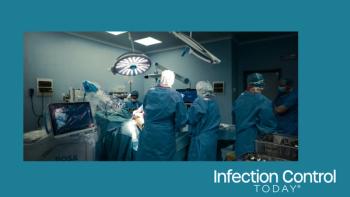
OR team members look to one trusted source for the most current data updates of the patient and operation. The system provides automatic access to key information from diverse IT systems - Laboratory, Radiology, Medical Records, Allergies and more.
S.A.F.E. Situational Awareness for Everyone Display provides a dynamic view of clinical information on a dedicated, easy to read display to optimize clinical decision making and patient safety. It helps OR staff safely navigate through Sign In, Time Out and Sign Out requirements for every surgical procedure while encouraging best practices and optimal patient outcomes. Patient safety reminder prompts include antibiotic re-doses, tourniquet management, patient repositioning and more, preventing potential patient infection or injury during surgical cases. Since the system provides information in real-time, it enables healthcare providers to feel confident they are receiving the most current patient and procedural information. S.A.F.E. Situational Awareness for Everyone Display provides smooth patient hand offs from the OR to PACU after every procedure.
S.A.F.E. Situational Awareness for Everyone Display can help:
- Increase patient safety in the OR
- Avoid costs associated with adverse events
- Eliminate communication bottlenecks
- Increase OR and staff utilization and efficiency
- Realize increased performance and profitability
- Maintain patient satisfaction levels
- Provide surgeons, staff, patients and their families with "peace of mind" regarding optimized patient safety in the OR
Â