
News
Advertisement
Advertisement

There are two common approaches to protecting humans from infectious disease: Targeting pathogens and parasites with medicines like antibiotics, or dealing with the conditions that allow transmission. A paper published today in the journal Nature Scientific Reports demonstrates the effectiveness of a third strategy: Adjusting the landscape of the human body to remove the mechanism that allows pathogens to cause disease. The discovery is the result of serendipity and collaboration between high-level scientists in different fields.
The Association for the Advancement of Medical Instrumentation (AAMI) recently held a roundtable discussion on the numerous challenges associated with sterile processing.
Advertisement


Science and technology are well recognized and important drivers of change. Likewise the escalating pace of scientific advancement in healthcare has contributed significantly, especially during the 20th century, to increased longevity and quality of life. Both acute and chronic care have improved due to the scientific discovery and new technologies designed to apply the discoveries in specific situations. The advancement of medical science has opened new practice areas for a diverse range of healthcare workers and continues to create opportunities at a never before experienced rate of change.
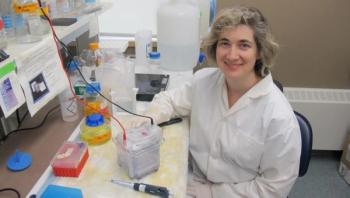
For much of her adult life Valerie Sim has been fascinated by a disease very few in the world can claim to even begin to understand. Sim is one of Canada's foremost authorities on prion disease--more commonly known as bovine spongiform encephalopathy, or mad cow disease in cattle, or Creutzfeldt-Jacob disease among humans. In both cases there is no cure; nor are there treatments available. But Sim's latest research is providing new hope for the future.

Today, Sept. 3, 2015, the World Health Organization (WHO) has declared Liberia to be free of Ebola virus transmission in the human population. Forty-two days have passed since the second negative test on July 22, 2015 of the last laboratory-confirmed case. Liberia now enters a 90-day period of heightened surveillance.
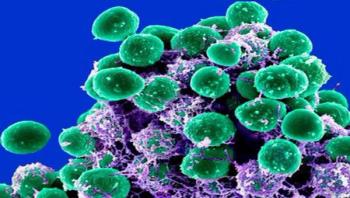
Bacteria’s ability to become resistant to antibiotics is a growing issue in health care: Resistant strains result in prolonged illnesses and higher mortality rates. One way to combat this is to determine bacteria’s antibiotic resistance in a given patient, but that often takes days - and time is crucial in treatment. Arizona State University (ASU) scientists have developed a technique that can sort antibiotic-resistant from “susceptible” bacteria, and it happens in a matter of minutes.
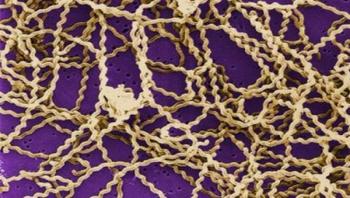
An international research team, headed by Joseph Vinetz, MD, professor of medicine at University of California, San Diego School of Medicine and director of the UC San Diego Center for Tropical Medicine and Travelers Health, has been awarded a five-year, $1.89 million cooperative agreement to carry out translational research studies of leptospirosis, an infectious and sometimes fatal bacterial disease endemic in much of the world.

Advertisement
Advertisement
Trending on Infection Control Today
1
Hantavirus Concerns and Cruise Ship Hygiene: What Infection Preventionists Need to Know
2
Education, Advocacy, and Recognition: Malinda Elammari on the Future of Sterile Processing
3
IP LifeLine: Connecting With Specialized Recruiters and Navigating the Hiring Process
4