
News

A new way of rapidly identifying bacteria, which requires a slight modification to a simple microscope, may change the way doctors approach treatment for patients who develop potentially deadly infections and may also help the food industry screen against contamination with harmful pathogens, according to researchers at the Korea Advanced Institute of Science and Technology (KAIST) in Daejeon, South Korea.

Between June 1 and June 4, 2015, the National IHR Focal Point for the Kingdom of Saudi Arabia notified the World Health Organization (WHO) of five additional cases of Middle East respiratory syndrome coronavirus (MERS-CoV) infection, including one death.

Dr. Philip Ireland, a native Liberian, credits his survival from Ebola virus disease on the care he received from his mother, the prayers of a compassionate nurse, and the unity of a country motivated to drive Ebola from its borders. Today, he is a strong advocate for infection prevention and control measures and is training and teaching Liberia’s next generation of doctors and specialists.

Hospital-acquired pressure ulcers are a costly, adverse event. The National Pressure Ulcer Advisory Panel estimates that U.S. healthcare systems spend $11 billion treating each year treating pressure ulcers; the cost to treat each pressure ulcer and related complications can range from $500 to $70,000.  Outside of the financial cost, pressure ulcers can have a devastating effect on patients-from the risk of developing cellulitis or infection of joints and blood, to increased length of stay and higher risk of death from associated complications.

Between May 26 and May 30, 2015, the National IHR Focal Point for the Kingdom of Saudi Arabia notified the World Health Organization (WHO) of nine additional cases of Middle East respiratory syndrome coronavirus (MERS-CoV) infection, including four deaths.

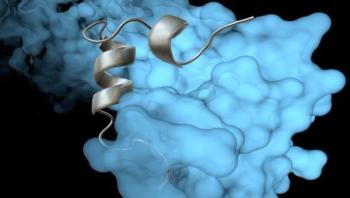
In a scientific discovery that has significant implications for preventing HIV infections, researchers at Sanford-Burnham Medical Research Institute (Sanford-Burnham) have identified a protein that could improve the body’s immune response to HIV vaccines and prevent transmission of the virus. The study shows how a protein called polyglutamine-binding protein 1 (PQBP1) acts as a front-line sensor and is critical to initiating an immune response to HIV. When the PQBP1 encounters the virus, it starts a program that triggers an overall protective environment against infection and enhances the production of virus-specific antibodies. The research, which identified PQBP1 as a target for improving HIV vaccines, was published June 4 online ahead of print in the journal Cell.

Virologists at Emory University School of Medicine, Yerkes National Primate Research Center, and Children's Healthcare of Atlanta have uncovered a critical detail explaining how HIV assembles its infectious yet stealthy clothing.

There’s an urgent demand for new antimicrobial compounds that are effective against constantly emerging drug-resistant bacteria. Two robotic chemical-synthesizing machines, named Symphony X and Overture, have joined the search. Their specialty is creating custom nanoscale structures that mimic nature’s proven designs. They’re also fast, able to assemble dozens of compounds at a time.

When Jose, a CDC Epidemic Intelligence Service Officer (“disease detective”), arrived in Liberia in October 2014, he was supposed to help with hospital infection prevention and control. However, soon after landing, his team learned of rampant Ebola outbreaks in remote parts of the country. Hours later he found himself trekking miles into the Liberian jungle.

When Leticia Linn arrived in Monrovia on July 13, 2014, most people in Liberia were not taking Ebola seriously and denial about the outbreak was widespread. A communications expert, Linn worked with the Ministry of Health’s team to liaise with the media and inform the public about the disease. And when Ebola jumped to Nigeria and the U.S. and cases tripled in Liberia, Ebola denial turned to fear. This is her story.