John Rex, MD, CMO of F2G, discusses investigational olorofim’s phase 3 findings, why new antifungals are difficult to develop, and how an oral option could help patients with limited treatment choices.
Behind every landmark in infection prevention, from antimicrobial stewardship guidelines to the COVID-19 town halls that reached flight attendants and teachers, is a generation of physician-scientists who led SHEA through crises, organizational change, and scientific breakthroughs. Infection Control Today traces 30 years of SHEA presidents and the lasting mark they left on the field.
Two posters presented by Karen Jones, MPH, RN, CIC, FAPIC, at the APIC Annual Conference and Exposition examine surveillance responsibilities and staffing in small hospitals, as well as IPs’ reported experiences after implementing electronic surveillance. Findings highlight opportunities for more investigation, rounding, and communication.
A followed procedure can still leave patients at risk if it no longer matches validated requirements. Annetta L. McKnight, MHA, BSN, CRCST, CER, examines how infection prevention and sterile processing can identify process drift, assess disruptions, and strengthen shared oversight of medical device reprocessing.
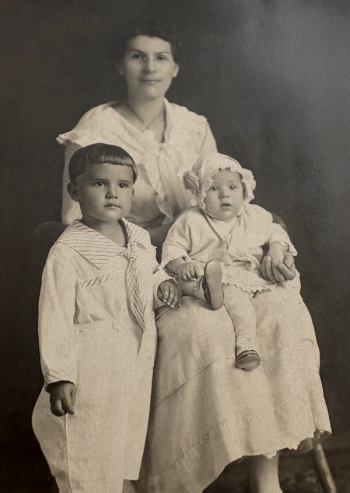
In 1926, Karen Jones’s grandmother lost 5 children to measles in 8 days. A century later, Jones connects that devastating family history to vaccination, outbreak preparedness, and the role of infection preventionists in building trust.
What Were the Biggest Infection Prevention Stories This Week? Ebola's Outpaced Response, Lyme Coinfection Data, and Sterile Processing Burnout Explained, and more
The knowledge used to prevent infections can also be misused. Through a personal reflection on gaming, AI, and biological research, an infection preventionist explores why faster answers make human judgment, peer consultation, and accountability increasingly important.
At IDWeek 2026, Samuel Ntow, MBChB, MPH, discussed research findings of reactive infection screening markers in 18.3% of replacement donor records from rural Ghana, highlighting opportunities for further evaluation and linkage to care.