Part 4 of 4: Why better planning for surgical growth, operational performance, and patient safety requires sterile processing expertise early in the decision-making process.
Finding infections earlier is only part of the work. At IDWeek 2026, David Weber, MD, MPH, explored how broader surveillance and emerging technologies could help infection preventionists spend more time supporting safer care.
Part 1 of 4: How emerging sterile processing leaders are redefining leadership through trust, accountability, psychological safety, and professional development.
John Rex, MD, CMO of F2G, discusses investigational olorofim’s phase 3 findings, why new antifungals are difficult to develop, and how an oral option could help patients with limited treatment choices.
What can hospitals miss when they focus on CLABSI rates? The authors examine how broader surveillance of bloodstream infections could help link potentially preventable catheter-related infections to longer stays, higher costs, and discharge needs.
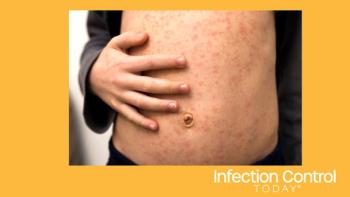
The US lost its measles elimination status, which it has held since 2000. Tinglong Dai, PhD, explains how missed appointments, neighborhood vaccination gaps, and limited surge capacity can hamper measles response, and what health systems can do before an outbreak tests their plans.