Finding infections earlier is only part of the work. At IDWeek 2026, David Weber, MD, MPH, explored how broader surveillance and emerging technologies could help infection preventionists spend more time supporting safer care.
Part 1 of 4: How emerging sterile processing leaders are redefining leadership through trust, accountability, psychological safety, and professional development.
John Rex, MD, CMO of F2G, discusses investigational olorofim’s phase 3 findings, why new antifungals are difficult to develop, and how an oral option could help patients with limited treatment choices.
Behind every landmark in infection prevention, from antimicrobial stewardship guidelines to the COVID-19 town halls that reached flight attendants and teachers, is a generation of physician-scientists who led SHEA through crises, organizational change, and scientific breakthroughs. Infection Control Today traces 30 years of SHEA presidents and the lasting mark they left on the field.
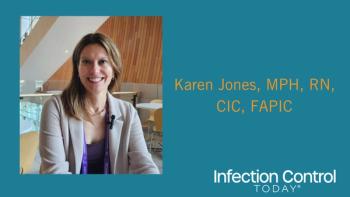
Two posters presented by Karen Jones, MPH, RN, CIC, FAPIC, at the APIC Annual Conference and Exposition examine surveillance responsibilities and staffing in small hospitals, as well as IPs’ reported experiences after implementing electronic surveillance. Findings highlight opportunities for more investigation, rounding, and communication.
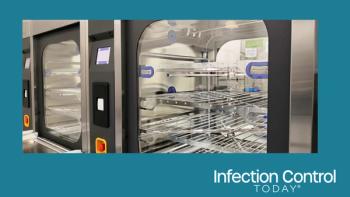
A followed procedure can still leave patients at risk if it no longer matches validated requirements. Annetta L. McKnight, MHA, BSN, CRCST, CER, examines how infection prevention and sterile processing can identify process drift, assess disruptions, and strengthen shared oversight of medical device reprocessing.
At IDWeek 2026, Rachel Sidebottom discusses research exploring phage-antibiotic combinations, the potential for predictive modeling, and an investigation identifying an ST5 strain of nontoxigenic Corynebacterium diphtheriae circulating in Albuquerque.