What Were the Biggest Infection Prevention Stories This Week? Ebola's Outpaced Response, Lyme Coinfection Data, and Sterile Processing Burnout Explained, and more
The knowledge used to prevent infections can also be misused. Through a personal reflection on gaming, AI, and biological research, an infection preventionist explores why faster answers make human judgment, peer consultation, and accountability increasingly important.
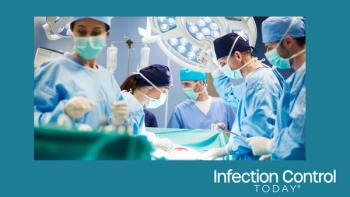
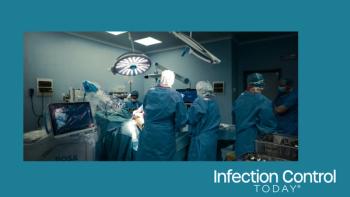
A shifting mask or fogged eyewear can interrupt focus when precision matters most. Dana Weaver Storm, MHA, BSN, RN, examines the challenges of prolonged surgical mask use and how perioperative leaders can support comfort, visibility, and consistent adherence.
What happens when one disinfectant cannot satisfy every IFU? At AHE in New Orleans, Diane Cullen discusses weighted risk assessment, documenting difficult decisions, and why infection prevention and EVS need to work together.
Turnover pressure can leave critical OR cleaning steps unfinished. Karen deKay, MSN, RN, EBP-C, CNOR, CIC, FAPIC, examines common gaps in environmental hygiene and how shared responsibilities, attention to disinfectant contact time, and ongoing education can help teams strengthen practices between cases.
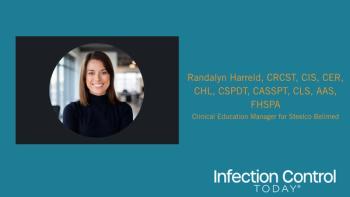
Sterile processing professionals face constant interruptions, cognitive overload, increasingly complex devices, and hundreds of IFUs. Randalyn Harreld, CRCST, FHSPA, explains why health care organizations must address the human factors behind SPD performance rather than expecting frontline professionals to simply absorb ever-increasing complexity.
This week on Infection Control Today, the stories ranged from emerging drug-resistant pathogens circling the globe to a landmark decade of surface science—all against a backdrop of ongoing outbreaks and a hard look at what the profession owes its own workforce.
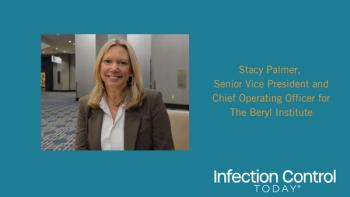
At AHE 2026 in New Orleans, The Beryl Institute's Stacy Palmer discussed 8 guiding principles for experience excellence and why EVS professionals influence far more than environmental cleanliness. Their interactions, workplace culture, and connection with patients help shape the overall human experience of health care.