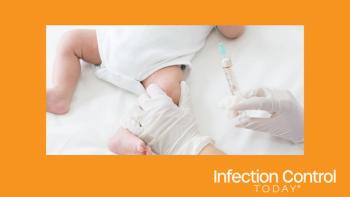
A proposed hepatitis B vaccine trial in Guinea-Bissau raises concerns about delaying newborn protection. This commentary examines the ethical obligations of researchers and the consequences of weakening established prevention efforts.
For International Infection Prevention Week, Infection Control Today explores how prevention connects hospital departments with everyday community life and why infection preventionists (IPs), sterile processing department (SPD), professionals, and environmental services (EVS) teams deserve lasting support.
This week in infection prevention: Kenya's imported Ebola case showed how fever screening can miss an ill traveler, Florida's dengue outbreak reached 296 local cases, and new guidance underscores that missed surfaces and shared equipment fuel AMR risk. Our weekly roundup covers these stories and more.
During Sterile Processing Week, Infection Control Today honors the professionals behind safe instrument reprocessing and calls for year-round investment in education, staffing, resources, and meaningful collaboration across health care teams.
In honor of Global Handwashing Day, Jamar Shaw, MD, MPH, CIC, explains how applying the WHO 5 Moments to actual care sequences can reduce transmission risks in ambulatory settings.
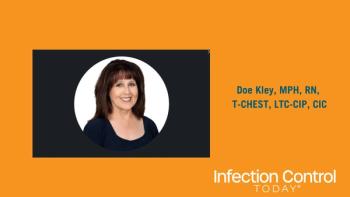
Doe Kley, MPH, RN, T-CHEST, LTC-CIP, CIC, discusses how environmental hygiene supports efforts to contain antimicrobial resistance, examining disinfectant efficacy, dilution failures, shared equipment, and the partnership between infection prevention and environmental services teams.
AI tools may help clinicians recognize sepsis earlier, but false alarms, limited external validation, and uncertain effects on patient outcomes complicate their use in adult and neonatal intensive care.
An imported case of Bundibugyo virus disease in Kenya raises questions about airport screening, clinical recognition, and potential exposures, highlighting the importance of coordinated contact tracing and hospital infection prevention readiness.