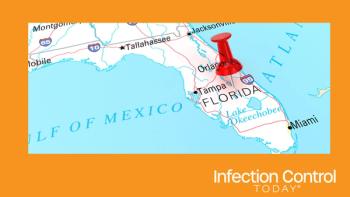
An imported case of Bundibugyo virus disease in Kenya raises questions about airport screening, clinical recognition, and potential exposures, highlighting the importance of coordinated contact tracing and hospital infection prevention readiness.
Wrong-site surgeries and other avoidable adverse events occur despite widespread clinical awareness. Organizations handle the reporting of such events in different ways, and with no single central system in place, larger trends can be missed, putting patient safety at risk.Â
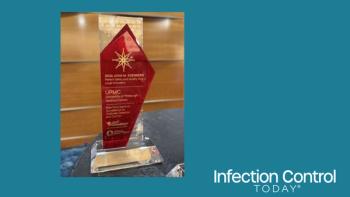
In an effort to reduce the frequency of these adverse events, the AAMI Foundations Healthcare Technology Safety Institute (HTSI) has joined forces with several partners to create the Coalition of Organizations for Reporting Adverse Events (CORE). The coalitions mission will be to inform stakeholders about the patterns and trends of adverse events.
 HTSI hosted the first meeting of the coalition in January at AAMIs headquarters in Arlington, Va. The inaugural meeting of CORE included representatives from the Joint Commission, ECRI Institute, the U.S. Department of Veterans Affairs, Wake up Safe, the Institute for Safe Medication Practices, and the medical device industry. Following that first meeting in January, coalition members are focused on learning how data from adverse event reports can be used to improve clinical practices and device design. Manufacturers are welcome to attend subsequent meetings.
CORE will be a way for patient safety organizations and manufacturers to share trends about adverse event data and identify how to address the causes, explains Leah Lough, executive director of the AAMI Foundation.
What we are trying to do is use our collective resources to better triangulate our understanding of patient safety issues, adds Gerard M. Castro, project director of patient safety initiatives at TJC. This group also gives us the opportunity to share what we knowor dont knowabout new or emerging patient safety issues, helping us to direct future efforts.
The group plans on meeting once or twice a year to share data and narratives, and a report of these meetings will be made available on HTSIs website.
Â
Stay prepared and protected with the Infection Control Today newsletter, delivering essential updates, best practices, and expert insights for infection prevention professionals.
Subscribe