

An unexplained death at a Russian plague research institute has prompted international scrutiny. The incident raises questions about laboratory safety, transparent reporting, and infection prevention preparedness while the cause remains unconfirmed.

KEVIN KAVANAGH, MD, is the founder of the patient advocacy group Health Watch USAsm, a member of the Infection Control Today's® Editorial Advisory Board, and a frequent contributor to Infection Control Today®.
Health Watch USAsm 2023 Webinar:
Long COVID: Patients, Workers & Society Webinar.
Webinar on Nov. 1, 2023. No charge for viewing or obtaining continuing education credits. CE planned and applied for ANCC Nursing, Physician Cat I ANA along with a number of other allied health professions.
Speakers Include:
Ambassador Deborah Birx, MD, past White House Coronavirus Coordinator. Presentation: "Impact of Long COVID on the United States. "
Pam Belluck, New York Times Reporter -- Presentation: "How Long COVID is affecting people's jobs and their needs at work."
Peter Hotez, MD, PhD, Dean of the National School of Tropical Medicine and Professor of Pediatrics and Molecular Virology & Microbiology at Baylor College of Medicine. will present on "Global Vaccines and Vaccinations: The Science vs The Anti-science."
Conference Objectives:
After attending the sessions about Long COVID, the participants will be able to:
* Describe the manifestations of Long COVID in different age groups.
* Discuss the different presentations of Long COVID.
* Identify the impacts of Long COVID on the healthcare workforce.
For more information go to: https://healthconference.org/
Agenda: https://www.healthconference.org/healthconference.org-files/2023Conference_downloads/_Agenda-3.pdf
Speaker's Bios: https://www.healthconference.org/healthconference.org-files/2023Conference_downloads/_Bios-Speakers-2023-HWUSA-Conference-9.pdf
Download Brochure: https://www.healthconference.org/healthconference.org-files/2023Conference_downloads/20231101-HWUSA_Brochure-5.pdf
Conference Registration - Space is limited:https://docs.google.com/forms/d/e/1FAIpQLSc3sHSOLLNNBwAXcDJlJo5NcuknMexia6H-0SsXJbjmK5YbFQ/viewform
Continuing Education:
Four AMA PRA Category 1 Continuing education credit hours have been approved for Physicians, Nursing Home Administrators and PA/Nurse Practitioners. The Kentucky Board of Nursing has approved the course for 4.8 credit hours. Through the corresponding Kentucky agency/board, Dentistry, Physical Therapy and EMS has been approved for 4 credit hours. Respiratory, Occupational Therapy, Social Work, Dietitian and Community Health Worker approval is pending.
American Nurses Credentialing Center (AANC) approval for 5 hours of continuing education is pending (Connecticut Nurses Association).
For more information, go to: https://healthconference.org/
An unexplained death at a Russian plague research institute has prompted international scrutiny. The incident raises questions about laboratory safety, transparent reporting, and infection prevention preparedness while the cause remains unconfirmed.
As US measles cases climb into the thousands, immigration has become part of the political debate over the cause. Outbreak data point to a more complex picture involving international travel, declining vaccination coverage, pockets of susceptible populations, and highly efficient measles transmission. CDC reported 3,294 confirmed cases as of September 10.
The US effectively eliminated measles once. Now cases are climbing again, infants remain vulnerable, people have died, and vaccine misinformation is undermining one of public health's greatest achievements. The price of forgetting what vaccines prevent can be measured in lives.

Cyclospora cases continue to rise across the United States, leaving many people with questions about symptoms, testing, and treatment. In this expert commentary, a physician explains: • Why Cyclospora is difficult to diagnose • Why symptoms can last for weeks • Why investigators linked the outbreak to contaminated lettuce • Why ivermectin is not an effective treatment • How you can reduce your risk
The 2026 Ebola outbreak has now spread to the Democratic Republic of Congo and Uganda, with the WHO reporting more than 513 cases and over 130 suspected deaths linked to the Bundibugyo strain, which currently has no approved vaccine or treatment. This article examines the outbreak through both a global health and infection prevention lens, highlighting concerns over weakened public health infrastructure, CDC staffing cuts, reduced USAID funding, and lessons still unlearned from prior Ebola and COVID-19 responses. Experts warn that while widespread US transmission remains unlikely, early investment in global outbreak response is critical to preventing future public health emergencies.

The COVID-19 pandemic has accelerated a shift away from droplet-based precautions toward a “through the air” framework that recognizes aerosol transmission across a continuum of particle sizes. As measles, SARS-CoV-2, and influenza circulate simultaneously, this article explains why ventilation, respirators, and higher air change rates must become core infection prevention strategies in health care facilities.

As debate over COVID-19 origins continues, critics warn that reductions in NIH and CDC biodefense efforts could weaken US pandemic preparedness. From halted CDC databases to shifting NIH priorities, experts question whether scaling back federal response capacity leaves the nation vulnerable to future biological threats and emerging infectious diseases.

In this physician-authored analysis, a December 2025 CMS policy change ending mandatory childhood vaccine reporting is examined through a clinical and public health lens. The article warns that reduced surveillance, weakened federal recommendations, and increased reliance on shared decision making without clinical equipoise could accelerate declining vaccination rates, undermine outbreak response, and leave families without clear, evidence-based guidance.
Just months after many dismissed H5N1 as a past concern, the “bird flu” has returned with force—killing millions of birds, infecting mammals from cows to cats, and raising alarms among scientists who warn the virus is edging closer to human adaptation.
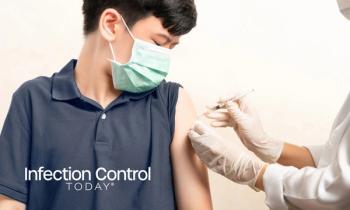
Fear of vaccine-related myocarditis is narrowing guidance, but the evidence is clear: COVID-19 infection triggers more myocarditis than vaccination, early doses cut pediatric long COVID, and myocarditis appeared in 2020—before vaccines existed. This piece restores the full risk–benefit picture.
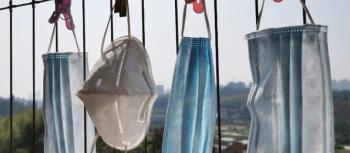
Public health is under attack. The CDC shooting underscores how misinformation fuels mistrust and danger. In this climate, evidence-based protections like masking aren’t optional—they’re essential. Layered strategies remain our best defense against deadly pathogens.
As the FDA limits COVID-19 vaccine approvals to high-risk groups, healthy adults and pregnant individuals are being left behind. Learn how these changes could impact insurance coverage, long COVID prevention, and public health strategies.

The growing H5N1 avian flu outbreak threatens public health and food security. Without urgent action, mutations could spark human-to-human transmission, creating the next global pandemic.

Public health mandates, such as lockdowns, masking, and vaccination, balance liberty and safety, ensuring critical protections during pandemics like COVID-19 while fostering long-term survival through science.

Explore why CMS must expand COVID-19, influenza, and RSV reporting to include hospital-onset infections, health care worker cases, and ER trends, driving proactive prevention and patient safety.
The CDC HICPAC discussed updates to airborne pathogen guidelines, emphasizing the need for masks in health care. Despite risks, the committee resisted universal masking, highlighting other mitigation strategies
Masking, clean air, and vaccinations are essential in combating COVID-19 and preventing long-term impacts, as evidence mounts of long COVID's significant economic, cognitive, and behavioral effects.
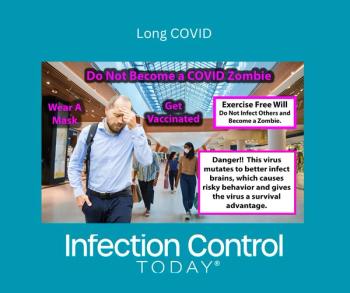
New research highlights long COVID’s global impact, cognitive decline, and societal consequences, urging renewed focus on prevention, including vaccination, mask use, and better air quality.
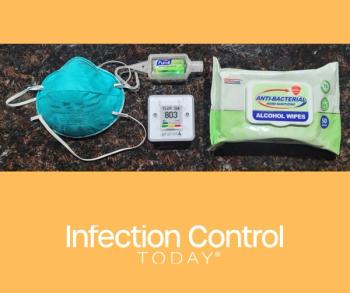
Immunocompromised patients face heightened risks during medical visits. To ensure safer health care appointments, prepare by understanding COVID-19 transmission, masking, ventilation, and exposure.
The 2024 surge in infectious diseases like mpox, measles, and meningitis demands a paradigm shift in control strategies, emphasizing expanded expertise, improved airborne precautions, and rethinking cost-effectiveness in healthcare to prevent future outbreaks and protect public health.
The June 3, 2024, House Oversight Committee questioned the efficacy of the six-foot social distancing rule, highlighting its benefits and limitations in preventing the spread of COVID-19.
The WHO suggests changing terminology to better understand pathogen transmission through the air, emphasizing N95 mask use and improved ventilation.
Opinion: Kevin Kavanagh, MD, examines a summary of studies on how COVID-19 may damage the brain's frontal lobes, alter personality traits and cognitive functions, and potentially reshape society's dynamics.
The CDC's recent decision to align recommendations for respiratory viruses, particularly COVID-19, has garnered support from the public and infectious disease societies. However, as the Infectious Diseases Society of America (IDSA) lends its backing to the CDC's harmonization efforts, concerns persist regarding the implications of this shift, especially considering the Omicron variant's unique characteristics and the ongoing challenges posed by COVID-19's multi-system impacts.
A recent commentary by Dr. Amesh Adalja in MedPage Today challenges the perception of COVID-19 as solely a respiratory virus, highlighting its broader impact on the body. This analysis questions the notion that COVID-19 should be managed like common respiratory infections, urging a closer look at vaccine effectiveness, the rise of long COVID, and the need for enhanced measures to curb the virus's spread. Let's explore the complexities of COVID-19 management and the pressing realities faced by the US and the world.
CDC sends pathogen spread proposals for revision, raising concerns about potential harm and emphasizing the need for reevaluation.

Results of a study by Yan Xie and colleagues highlight the severe impact of COVID-19, with higher death rates, increased risks of long-term complications, and greater infectivity compared to seasonal influenza.

AI is helping health care professionals during the pandemic by improving accuracy and patient safety in radiology and disease prediction. Despite concerns about job replacement and misuse, AI promises to enhance health care accessibility, affordability, and accuracy.
Recent CDC HICPAC revisions regarding SARS-CoV-2 control face criticism from the World Health Network and others due to alleged breaches in committee structure and erroneous infection control guidance, potentially impacting COVID-19 management and immunocompromised individuals in health care.

An immunocompromised keynote speaker, Kevin Kavanagh, MD, shares strategies for safe air travel during the COVID-19 pandemic, emphasizing mask usage, vaccinations, and air quality monitoring, with mixed observations throughout the journey.
Published: October 9th 2025 | Updated: October 24th 2025

June 5th 2023
September 2nd 2022


