DebMed®, creator of the world's first electronic hand hygiene compliance monitoring system based on the WHO's Five Moments, announces its participation in Private Organizations for Patient Safety (POPS), a World Health Organization (WHO) initiative designed to reduce healthcare-associated infections (HAIs) through improvements in hand hygiene for the benefit of the patient.
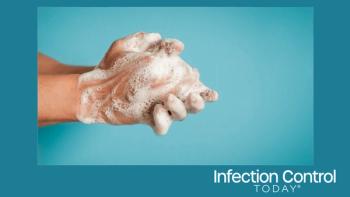
DebMed is one of 15 organizations that serve as members of the newly formed Private Organizations for Patient Safety (POPS). Led by the WHO Patient Safety Programme, POPS is a collaborative platform designed to encourage collaboration of private sector advocates, such as DebMed®, to improve safety and reduce HAIs through activities that ensure appropriate hand hygiene. POPS' strategic goal is to increase hand hygiene education and awareness, and improve access to resources such as soap, water and hand sanitizer throughout the world, especially in countries with limited resources.
"DebMed is proud to be one of the initial members of POPS and to supporting the initiative of promoting the importance of hand hygiene compliance in reducing healthcare-associated infections," says Paul Alper, vice president of strategy and business development for DebMed. "DebMed is founded on the WHO Five Moments, which we believe reflects the highest clinical standard to be followed in medical settings. Joining POPS reinforces our commitment to this important cause."
Monitoring just two moments before and after patient care is a common practice because facilities find it challenging to reliably monitor the other three moments after environmental contact, after exposure to blood/body fluids, and before an aseptic task. The DebMed GMS hand hygiene monitoring system overcomes this challenge and provides ongoing electronic monitoring of the Five Moments to optimize patient safety and reduce the risk of HAIs.Â