A patient with fever and no recent travel could still have dengue. Florida’s local transmission highlights why clinicians and infection preventionists should look beyond travel history and recognize warning signs.

Isis Lamphier, MPH, MHA, CIC, AL-CIP, is an accomplished board-certified Infection Preventionist. Currently, she is the director of infection prevention for HCA Florida Brandon Hospital. Her passion for infection prevention and control was ignited after successfully attaining a bachelor of science in health education and a master of public health in epidemiology from the University of Florida.
Prior to her current role in the hospital setting, Lamphier gained valuable experience working at both the county health department and a long-term care facility.
She also serves as an author, contributing editor, and editorial advisory board member for Infection Control Today.
During her free time, Isis enjoys reading, traveling, visiting amusement parks, and spending time with her friends, family, and her puppy. She is a member and board member of various organizations focused on infection prevention and control.
A patient with fever and no recent travel could still have dengue. Florida’s local transmission highlights why clinicians and infection preventionists should look beyond travel history and recognize warning signs.
The Bug of the Month helps educate readers about existing and emerging pathogens that are clinically important in today's health care facilities.
Animal bites send millions to U.S. emergency departments each year, with risk rising during holidays and periods of increased household activity. This article examines bite-related infection risks, rabies exposure, and what infection preventionists can learn from seasonal trends to better protect patients and communities.

Infection preventionists are experts at stopping pathogens, but many of the field’s hardest challenges are human. Contagious Conversations is a new video series that opens the candid, sometimes uncomfortable discussions about who belongs in infection prevention, how teams hire and grow, and what it will take to build a stronger workforce. Expect curiosity, honesty, and practical takeaways, not hot takes.
Infection preventionists are experts at stopping pathogens, but many of the field’s hardest challenges are human. Contagious Conversations is a new video series that opens the candid, sometimes uncomfortable discussions about who belongs in infection prevention, how teams hire and grow, and what it will take to build a stronger workforce. Expect curiosity, honesty, and practical takeaways, not hot takes.
The Bug of the Month helps educate readers about clinically significant pathogens, both existing and emerging, in today's health care facilities.
If you’ve ever been asked to track flu shots and handle a chemical splash in the same breath, you’ve met the IP–OH blur. Infection prevention and occupational health often intersect—but their missions differ. Knowing where each begins ensures safer patients, safer staff, and smoother responses.

Crowded waiting rooms can turn routine checkups into transmission hubs. Here’s how outpatient clinics can cut risk, starting at the front door, with smarter cleaning, hand hygiene, masks, and fewer extra visitors.
International Infection Prevention Week is coming up from October 19 to 25. Read on to learn how to celebrate in your own facility!
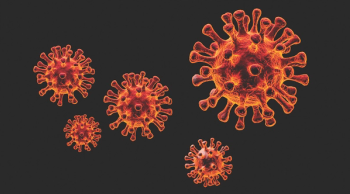
"Although the virus itself remains a threat, misinformation about COVID-19 has become a parallel epidemic, one that undermines public health efforts and endangers lives."
The Bug of the Month helps educate readers about existing and emerging pathogens that are clinically important in today's health care facilities. Check out the author reading the article and identify which bug is speaking in this installment.
From ultrasound gel safety to high-level disinfection, The Joint Commission’s 2025 surveys are zeroing in on infection prevention hot spots. Are your teams ready?
The Bug of the Month helps educate readers about existing and emerging pathogens that are clinically important in today's health care facilities.
Despite claims of health benefits, raw milk poses serious infection risks. Pathogens like E coli and Listeria can cause severe illness, especially in vulnerable populations.
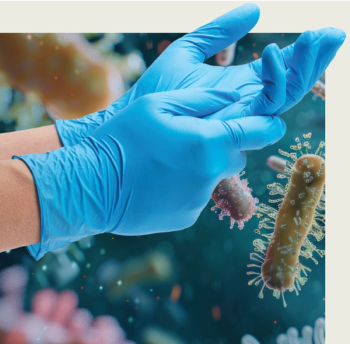
Proper glove use is crucial in health care settings to prevent infections. Guidelines from TJC, CDC, and WHO stress correct selection, usage, and disposal to minimize health care–associated infections (HAIs) and cross-contamination risks. Infection preventionists (IPs) play a key role in educating staff, enforcing compliance, and improving patient safety through standardized glove practices.
Discover how the NHSN 2022 Rebaseline initiative updates health care-associated infection metrics to align with modern health care trends, enabling improved infection prevention strategies and patient safety outcomes.

A critical H5N1 case in a British Columbia teen underscores zoonotic disease challenges, highlighting the virus's mutation potential and the need for vigilance and cross-sector collaboration.
This Pathogen Pulse highlights: Whooping cough, oropouche fever, and avian influenza. Read on to get caught up on the latest.
This week's Pathogen Pulse highlights: Eastern Equine Encephalitis Virus (EEEV), Boar's Head products recall due to listeria contamination, and mpox cases on the rise in Africa.
Welcome to Pathogen Pulse with Isis Lamphier, MPH, CIC. This edition is about the mpox, formerly known as monkey pox, global health emergency.
Welcome to Pathogen Pulse with Isis Lamphier, MPH, CIC. This edition is about H5N1. H5N1 bird flu has spread to dairy cattle across multiple states, posing new risks through unpasteurized milk and contact with infected animals.

Communal dining in LTC facilities enhances social interaction and nutrition but requires infection prevention measures to protect residents from risks like gastrointestinal and respiratory infections.

During delivery, babies can acquire infections if they come into contact with pathogens present in the birth canal or from the mother’s genital tract.
Infection prevention during childbirth, via vaginal or cesarean delivery, is crucial for maternal and neonatal health. Strategies include strict hygiene, sterile techniques, and antibiotic prophylaxis to reduce postpartum infection risks.
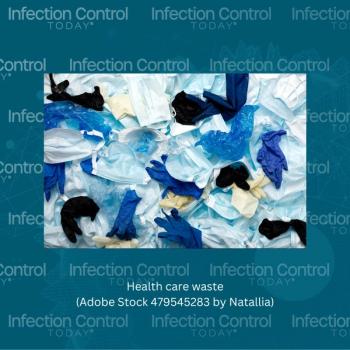
A JAMA study exposes the US healthcare system's staggering waste expenditure underlining challenges in managing diverse waste types and stringent regulations' compliance. What solutions are there?
March shines a spotlight on patient safety with Patient Safety Awareness Week, which ran from March 10 to March 16, 2024. This dedicated period aims to educate and empower health care workers, emphasizing the paramount importance of safe health care environments. Read about it here.
Rare Disease Day on February 29, 2024, shines a global light on the impact of rare diseases, including rare infectious diseases. With a focus on early diagnosis and treatment access, this day highlights the struggles of those with rare conditions.

While public transportation offers convenience and accessibility, it is crucial to remain mindful of the potential presence of germs, emphasizing the importance of adopting infection prevention measures during travel times.
Handheld equipment plays a vital role in providing care at health facilities. Proper training, equipment, and procedures are imperative to guarantee safe cleaning and disinfection following use.
Diabetes Awareness Month in November highlights the heightened susceptibility of diabetes patients to infections. Explore the key reasons behind their increased infection risk and the importance of infection prevention.

March 10th 2023

August 15th 2023

November 2nd 2022

January 20th 2023