|Videos|March 8, 2022

Emojitoons: Selling Infection Prevention Compliance With Avatars

Compliance has increased up to 50% on key infection prevention and control practices at a South Carolina health system due to these short emoji-cartoons.

Emojitoons are hints, guidance, or rules to help health care workers [HCW] remember key infection prevention and control (IPC) practices with avatars of employees. The idea came from Mary Scott, RN, MSN-CIC, Infection Prevention Director, and Robin Ward, Infection Prevention Coordinator, of Grand Strand Medical Center (GSMC) in Myrtle Beach, South Carolina. Two years ago, they attempted to increase their medical staff’s compliance of IPC practices, and they were not getting the results they wanted. Eventually, Scott and Ward chose the emojitoons because they can help their employees retain a small amount of information at a time.

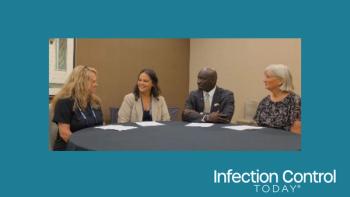
During their interview with Infection Control Today®, Scott and Ward explain where the emojitoons came from, the various topics they have covered, and what the response has been from the health care workers at GSMC. The emojitoons have covered many topics including using green clips for IVs, covering linens to keep them clean, and the importance of labeling IVs.

“Our emojitoons are just a fan favorite,” Scott said. “[They] make it a lot easier for [the topic] to sink in. By only giving [the HCW] a little bit to remember a week, it helps them retain it a lot more than if you throw a lot of information at them at once.”

The emojitoons include avatars based on employees of GSMC. However, Ward is careful to create them so no one seems to be blamed or singled out. “I don’t want anyone to think, ‘They are blaming me for doing something wrong.’” Ward explains that the emojitoons only make learning the topic easier if the HCW can personalize it by seeing avatars of people they know.

The emojitoons are supposed to be fun and make it easy to remember the topic, like the green clips. Before the emojitoons, “I don’t even think that most people knew what the green clips were for.”

Scott and Ward told ICT® they have many more ideas for emojitoons, and they will continue to create them as long as they help improve compliance. They may even consider publishing a book to help other health care facilities with issues they are having as well.
Related to this article

A brightly lit Hospital operating room, a surgical team wearing gowns and masks.  (Adobe Stock 1790696595 by Damian)
Turnover pressure can leave critical OR cleaning steps unfinished. Karen deKay, MSN, RN, EBP-C, CNOR, CIC, FAPIC, examines common gaps in environmental hygiene and how shared responsibilities, attention to disinfectant contact time, and ongoing education can help teams strengthen practices between cases.
Infection preventionists in full PPE with children in DRC.  (Image credit: author with AI)
Nearly 4 months into the DRC's Bundibugyo virus disease outbreak, some indicators suggest transmission may be slowing. But shifting hotspots, treatment-center capacity problems, community deaths, and incomplete surveillance data show why national case totals alone cannot determine whether containment has been achieved.
Dyan Troxell, MSN, RN, director of clinical education at HandCraft Linen Services; J.J. Odom, MBA, CHESP, CMIP, T-CHEST, university director of buildings and grounds for UConn Health and chair-elect of the AHE Board; and Jenna Rivers, MPH, CPH, CIC, manager of infection prevention and control at Moffitt Cancer Center in Tampa, Florida.
At AHE Exchange 2026, ICT spoke with experts representing commercial laundry services, EVS, and infection prevention about the systems behind a successful reusable linen program. They discuss linen quality, reject rates, unnecessary waste, frontline education, data, PAR levels, infection prevention oversight, and why strong relationships between health care facilities and their laundry providers matter.
Image of Pathogens flying   (Adobe Stock weerasak)
Behind every landmark in infection prevention, from antimicrobial stewardship guidelines to the COVID-19 town halls that reached flight attendants and teachers, is a generation of physician-scientists who led SHEA through crises, organizational change, and scientific breakthroughs. Infection Control Today traces 30 years of SHEA presidents and the lasting mark they left on the field.