Infection prevention programs often focus on best practices, regulatory requirements, and evidence-based guidelines. But for health care professionals working in remote locations, meeting those standards can require a level of creativity and adaptability rarely discussed in traditional health care settings.
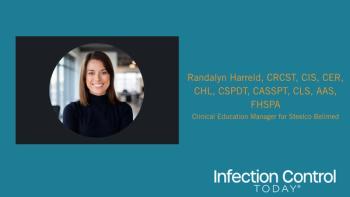
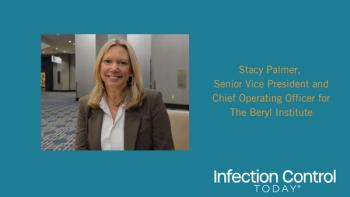
At the Association for Professionals in Infection Prevention and Epidemiology Annual Conference and Exposition (APIC 2026) held from June 15 to 17, 2026, in Nashville, Tennessee, Emily Frost, MPH, CIC, LTC-CIP, infection preventionist (IP) at Providence Kodiak Island Medical Center in Kodiak, Alaska, offered attendees a glimpse into the unique challenges of providing safe patient care at a critical access hospital located on an island hundreds of miles from many of the resources available to mainland health care facilities.
Frost's presentation focused on how her organization has successfully met infection prevention, facilities, and regulatory requirements despite the logistical hurdles that come with practicing in one of the nation's most remote health care environments.
"We are a critical access hospital, and the presentation that I had today was about how do we meet the standards that we need to meet for regulatory and also infection prevention while living on an island as a critical access hospital with limited resources," Frost said in an interview with Infection Control Today® (ICT®).
Over the past 5 years, Frost and her colleagues have faced numerous situations that required innovative thinking and strong cross-departmental collaboration. "We were discussing a few different scenarios that we have experienced over the past 5 years since I have worked at Providence, and just the innovative ways that we have met standards," she explained. "Whether it's [The Association for the Advancement of Medical Instrumentation] or facilities IP-type regulations, and just the key partnerships that we need to make within the hospital."
Rather than relying solely on the standardized approaches commonly used in larger health care systems, Frost described how her team often must take a more hands-on approach while still complying with manufacturers' instructions for use (IFUs) and regulatory expectations. "I wanted them to take home just a different perspective on the normal everyday life," she said when ICT asked about the key message of her presentation.
Health care professionals working in urban settings may take for granted the ability to quickly replace equipment, obtain supplies, or outsource maintenance and repair services. Those options are not always readily available in Kodiak.
"We're so used to using equipment and just a more standardized process to maintain standards," Frost said. "But living in a more rural area, sometimes you have to do a more hands-on approach."
That can mean taking a closer look at processes that many organizations rarely think about. "Whether it's hands-on cleaning of instruments and doing maintenance work or digging through the trash trying to see what you're throwing away," she said, highlighting the resourcefulness often required to solve problems in remote health care settings.
One of the biggest operational challenges stems from the simple fact that Kodiak is an island.
"The biggest challenge is probably the receiving of items," Frost said.
Virtually everything needed to support hospital operations must be shipped from the mainland. "All of our supplies, whether it's food, clothing, you name it, come on a barge from Seattle," she explained. "It takes about 2 weeks to get anything in."
The delays can affect everything from routine supplies to food service operations.
"There's times at the hospital that the kitchen is running out of food, and especially good quality produce," Frost said. "You have to go to alternative stores to get that, whether it's on the Coast Guard base or going up to Anchorage to grab items."
Despite the challenges, Frost said conferences such as APIC26 provide valuable opportunities to connect with peers facing similar issues.
"The best part about being here is making new connections, meeting new people, learning about others' experiences, and just seeing what all great work everyone's doing," she said.
Her presentation served as a reminder that infection prevention principles may be universal but implementing them often looks very different depending on where care is delivered. For rural and remote health care facilities, success frequently depends not only on expertise but also on creativity, collaboration, and resilience.