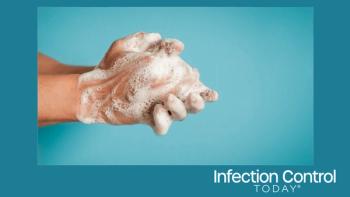
A new poll finds that the vast majority of Americans use antibacterial soap and consider it to be a useful tool to prevent the spread of germs. And two-thirds of Americans would be "angry" at any government attempts to ban these products.
The poll, released by the American Cleaning Institute and the Personal Care Products Council, reports that 83 percent of consumers want the choice to purchase these germ-fighting products.
The survey, conducted by Fabrizio, Ward and Associates, follows a recent call by special-interest groups for the U.S. government to ban the use of antibacterial agents in personal care products, despite overwhelming science demonstrating their safety and effectiveness.
Among the key findings of the poll:
- 74 percent of American consumers use antibacterial soap (56% use it regularly) and find it to be a very useful tool to prevent the spread of germs while preparing meals and caring for babies as well as in the home, public restrooms, healthcare settings and schools
- 75 percent of moms with children in the household would be "angry" if the government took antibacterial soap off the market
- Two-thirds of consumers would be upset if the government took antibacterial soap off the market
- 84 percent of adults do not have any health or environmental concerns about antibacterial soap
- By an 8-to-1 margin, consumers would prefer to have the choice to buy antibacterial soap rather than removing it from the market based on alleged health and environmental concerns
"This poll demonstrates that American consumers want access to soaps that are proven to eliminate germs and help fight infections," says Brian Sansoni, spokesman for the American Cleaning Institute. "These products are used safely and effectively in homes, offices, restaurants, child care centers and thousands of other workplaces every single day.
"Antibacterial ingredients have been reviewed, regulated and researched by agencies around the world for more than 40 years," he said. "They are globally accepted as safe for daily use and are scientifically proven germ killers that help to reduce the chance of infection."
The poll results show that consumers also find antibacterial soaps useful for a variety of in-home uses, including normal hand washing after using the bathroom, prior to meal preparation, after diaper changing and when caring for sick family members.
"American consumers want access to the same germ-fighting products that are used every day in countless doctors offices and hospital settings," Sansoni added. "Consumers can continue to use these products safely and effectively with great confidence."
The survey results will be available on the website of the American Cleaning Institute at www.cleaninginstitute.org.
The poll sampled 1,000 American adults (age 18+) who were interviewed by telephone Dec. 5-12, 2010. The error margin for this random probability sample is ±3.1% at the 95% confidence level. Interviews were conducted with respondents using both landline (N=700) and mobile (N=300) telephones. Survey data was weighted by demographics to match most recent U.S. Census American Community Survey results for age within gender, race/ethnicity, educational attainment, and region.