What can hospitals miss when they focus on CLABSI rates? The authors examine how broader surveillance of bloodstream infections could help link potentially preventable catheter-related infections to longer stays, higher costs, and discharge needs.
The US lost its measles elimination status, which it has held since 2000. Tinglong Dai, PhD, explains how missed appointments, neighborhood vaccination gaps, and limited surge capacity can hamper measles response, and what health systems can do before an outbreak tests their plans.
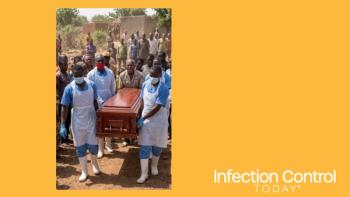
Health worker infections, threats against response teams, and gaps in triage are straining the DRC’s Ebola response. What can infection preventionists learn about protecting staff and keeping essential services open?
What happens to a towel between uses? Natasha Terborg traces the laundry process from collection to storage and explains which practices from health care guidance can inform everyday laundry in shared facilities.
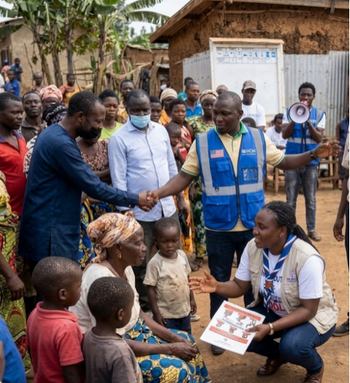
An infection preventionist examines the DRC’s Ebola response through contact tracing and community engagement, explaining why daily follow-up, timely investigations, and trust reveal challenges that cumulative case counts alone cannot capture.
Four vaccine experts discuss how sustained financing, local research leadership, and community trust can strengthen vaccine development in low- and middle-income countries (LMICs), drawing on practical insights from India and Bangladesh.
GeoVax CEO David Dodd discusses how vaccine storage requirements, supplier diversification, and regional manufacturing shape outbreak preparedness, with considerations for infection preventionists and health systems preparing to receive and administer doses.
Part 4 of 4: Why better planning for surgical growth, operational performance, and patient safety requires sterile processing expertise early in the decision-making process.