High contact follow-up rates suggest progress, but who is being missed? Inside the DRC’s Ebola response, shortages, strained treatment centers, and gaps in community trust reveal a more complicated story.
Respiratory infection control measures – which have been adopted by most health agencies to deal with the Ebola epidemic in west Africa – are unnecessary, and may heighten panic and fear among the public, according to the authors of a new letter, published in The Lancet, and written by professor Jose M. Martin-Moreno from the University of Valencia in Spain, and colleagues.
Ebola virus is primarily transmitted through contact with infected patients' blood, vomit, faeces and other secretions, both direct and indirect, from contaminated needles and other materials. This usually occurs via close family contact or in healthcare settings, and the virus is rarely transmissible via airborne routes. However, according to the authors, "Although these routes of transmission are well known, most agencies, including governmental agencies responsible for repatriating western patients, apply infection control measures appropriate for airborne diseases."
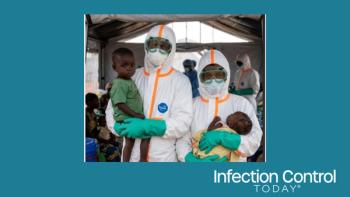
"Excessive precautions could offer reassurance to those responding to Ebola, yet complete respiratory protection is expensive, uncomfortable, and unaffordable for countries that are the most affected. Worse, such an approach suggests that the only defence is individual protective equipment, which is inaccessible to the general population. Moreover, the image of workers with spectacular protective clothing might contribute to the panic in some communities. If this leads people to flee affected areas it could increase the spread of infection. It also reinforces the view that some lives are more valuable than others, already engendered by decisions about the use of experimental Ebola drug ZMapp."
The letters concludes, "In western Africa now there is a need for rational and efficient use of protective equipment. This can only be achieved by communicating a consistent message that the disease is essentially transmitted through direct contact. In control of infectious diseases, more is not necessarily better and, very often, the simplest answer is the best."
Source: The Lancet