In response to recent changes on a CDC webpage addressing vaccines and autism, the Society of Infectious Diseases Pharmacists has issued a strong statement defending evidence-based science and countering misinformation that has circulated in the wake of the update. The organization made its position clear from the outset. “We remain steadfast in our commitment to advancing public health through evidence-based practice, scientific integrity, and transparent communication,” the statement began.
According to the organization, recent online discussions and claims from anti-vaccine groups have misrepresented the meaning of the CDC update. SIDP emphasized that “the CDC’s recent webpage update has been mischaracterized as new evidence of risk.” The group added that the scientific community’s conclusion has not changed. “Vaccination is safe, effective, and critical to protecting patients.”
The statement directly addressed one of the most persistent myths in modern medicine and repeated what decades of research have already established. “We believe it is essential to reaffirm what decades of rigorous research have already demonstrated. Vaccines do not cause autism.” SIDP noted that the question has been examined extensively for more than 25 years in “large, well-designed studies conducted around the globe” and that these studies “have consistently found no causal link between any vaccine and autism spectrum disorder.”
The organization also outlined its ongoing commitments to public health. SIDP pledged to “uphold sound scientific processes to protect the health of patients and communities” and to ensure that immunization recommendations remain rooted in “science-backed evidence.” The group vowed to “advocate for access to safe and effective vaccines for all populations” and actively “counter information that creates mistrust in immunization programs.”
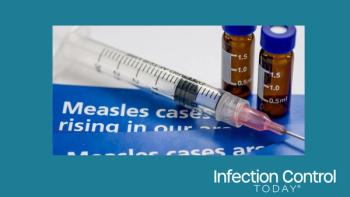
SIDP warned that misinformation can harm communities, especially as preventable diseases, such as measles and tuberculosis, are on the rise. “The spread of misinformation poses a threat to our communities,” the group stated, pointing to global measles resurgence, increasing outbreaks, and declining vaccination rates among children and adolescents. The organization stressed the life-saving value of vaccines. “Vaccines have prevented millions of hospitalizations, countless deaths, and disease resurgence.”
The statement concluded with a clear and direct message intended for both healthcare professionals and the public. “Vaccines do not cause autism, and they continue to save lives every day.”
The announcement was signed by the Board of Directors of the Society of Infectious Diseases Pharmacists, the Association for Professionals in Infection Control and Epidemiology, and the Hematology and Oncology Pharmacy Association, underscoring a unified stance among leaders in infectious diseases and patient safety.
Founded in 1990, SIDP is the premier professional home for infectious diseases pharmacists and is dedicated to promoting the appropriate use of antimicrobials through education, research, and policy. The organization collaborates with partners across healthcare to advance infectious disease practice and optimize patient care.
With this statement, SIDP and its partners aim to keep public dialogue firmly grounded in facts rather than fear as vaccine misinformation continues to evolve and spread.