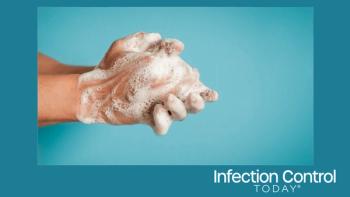
One in six mobile phones in Britain is contaminated with fecal matter, according to new research released ahead of Global Handwashing Day. Experts say the most likely reason for the potentially harmful bacteria festering on so many gadgets is people failing to wash their hands properly with soap after going to the toilet.
The findings of the UK-wide study by scientists from the London School of Hygiene & Tropical Medicine and Queen Mary, University of London also reveal a tendency among Britons to lie about their hygiene habits.
Although 95 percent of people said they washed their hands with soap where possible, 92 percent of phones and 82 percent of hands had bacteria on them. Worryingly, 16 percent of hands and 16 percent of phones were found to harbor E. coli bacteria of a fecal origin. Harmful Escherichia coli is associated with stomach upsets and has been implicated in serious cases of food poisoning such as the fatal O157 outbreak in Germany in June.
Hygiene expert and UK campaign leader for Global Handwashing Day, Dr. Val Curtis from the London School of Hygiene & Tropical Medicine, says, "This study provides more evidence that some people still don't wash their hands properly, especially after going to the toilet. I hope the thought of having E. coli on their hands and phones encourages them to take more care in the bathroom washing your hands with soap is such a simple thing to do but there is no doubt it saves lives."
Peter Barratt, technical manager at Initial Washroom Solutions, which supports Global Handwashing Day, notes "Today's research is shocking and demonstrates the importance of effective hygiene. It is critical that people take hand hygiene seriously and that businesses offer their employees and customers a practical way of protecting themselves to help combat the spread of illness."
Researchers travelled to 12 cities and took 390 samples from mobile phones and hands which were analysed in the lab to find out the type and number of germs lurking there. They also asked participants a series of questions about their handwashing habits.
The largest proportion of contaminated phones was in Birmingham (41 percent) while Londoners were caught with the highest proportion of E. coli present on hands (28 percent). However, actual levels of bacteria increased the further north the scientists went, the dirtiest city being Glasgow, where average bacterial levels on phones and hands were found to be nine times higher than in Brighton, reinforcing a North/South divide. The scientists also found those who had bacteria on their hands were three times as likely to have bacteria on their phone.
Dr. Ron Cutler, of Queen Mary, University of London, says, "Our analysis revealed some interesting results from around the UK. While some cities did much better than others, the fact that E. coli was present on phones and hands in every location shows this is a nationwide problem. People may claim they wash their hands regularly but the science shows otherwise."
Fecal bacteria can survive on hands and surfaces for hours at a time, especially in warmer temperatures away from sunlight; it is easily transferred by touch to door handles, food and even mobile phones. From there, the germs can be picked up by other people. Every year, 3.5 million children under the age of five are killed by pneumonia and diarrhoeal diseases and the simple action of washing hands with soap is one of the most effective ways of preventing these illnesses. In developed countries, handwashing with soap helps to prevent the spread of viral infections, such as norovirus, rotavirus and influenza.
Global Handwashing Day - which is held on Oct. 15 every year - aims to transform the action of washing hands with soap into an automatic behaviour, deeply set in our daily lives. Initiatives and events to promote the practice in homes, schools, workplaces and communities are held worldwide.
The UK Global Handwashing coalition involves GlaxoSmithKline, Initial Washroom Solutions, London School of Hygiene & Tropical Medicine, Sanofi Pasteur MSD, School Councils UK, Queen Mary, University of London, The Ideas Foundation and Wellcome Trust.