News|Articles|July 28, 2023

Infection Control Today

  • Infection Control Today, June 2023, (Vol. 27 No. 5)
  • Volume 27
  • Issue 5

Weekly Rounds: The Correct Disinfectant, Changing Belief Systems, and More

Take 5 minutes to catch up on Infection Control Today®’s highlights for the week ending July 30, 2023.

Here are 5 highlights from Infection Control Today®'s (ICT®’s) wide-ranging coverage of the infection prevention and control world. Everything from interviews with known opinion leaders to the news that infection preventionists and other health care professionals can use on their jobs.

How to Choose the Right Disinfectant to Prevent Health Care-Associated Infections

Choosing the correct disinfectant can be difficult. This expert explains how to select the proper one.

From Belief to Behavior: An IP's Step-by-step Approach to Changing Belief Systems

"If we want to influence our health care workers toward a shift in practice, we must first tackle the core beliefs that drive that behavior," writes Heather Saunders, MPH, RN, CIC.

Diagnosing Sepsis in the Emergency Department With a New Test

Sepsis often first appears in the emergency department, making diagnosis challenging and leading to delays. This study examines a new, recently FDA-approved test on how to diagnose earlier.

One Step Forward, 2 Back: CDC's Proposals for Infection Control in Health Care Facilities

In this opinion article, the authors discuss their concerns about the recent HICPAC/CDC proposals on infectious diseases.

Minimizing Health Risks: Controlling Mold in Health Care Settings

Mold, a menacing presence that can grow within the walls of your facility, may be lurking and waiting to cause problems. Are you equipped to deal with it?


Related to this article

A brightly lit Hospital operating room, a surgical team wearing gowns and masks.  (Adobe Stock 1790696595 by Damian)
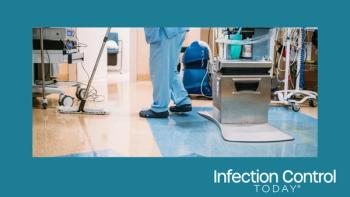
Turnover pressure can leave critical OR cleaning steps unfinished. Karen deKay, MSN, RN, EBP-C, CNOR, CIC, FAPIC, examines common gaps in environmental hygiene and how shared responsibilities, attention to disinfectant contact time, and ongoing education can help teams strengthen practices between cases.