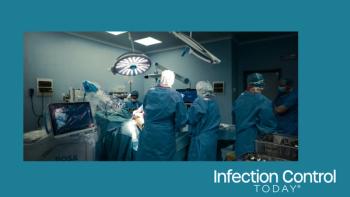
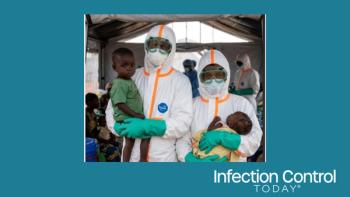
The study also cited the lack of standardized protocols for laundering of uniforms. Forty percent of participants laundered their uniforms at home and just 58 percent reported changing the uniform every day. Furthermore, the rate of contamination with resistant pathogens was higher in attire changed every two days compared with that changed every day (29 percent versus 8 percent).
According to Joel Furey, president of Noble Biomaterials Healthcare Division, This study further underscores the need for healthcare settings to do all they can to minimize and eliminate patient risk of contamination including creating and enforcing standardized guidelines for laundering. Todays healthcare bacterial management practices focus on hand hygiene and hard surface sanitization. Fabrics made with X-STATIC® silver fibers, have an antimicrobial fiber technology clinically-proven to reduce 99.9 percent of bacteria and add a critical dimension to infection control efforts not currently being employed.Â
Soft-surface textiles account for 90 percent of the healthcare patient environment and include patient gowns, privacy curtains and bed linens. Of the 238 samples obtained in the study, 119 (50 percent) were positive for any pathogen most with one pathogen (94 cultures; 79 percent of the positive cultures) and fewer with two or three different pathogens (21 [18 percent] and 4 [3 percent] of the positive cultures, respectively). There were no significant differences between the gowns worn by physicians and nurses. Potentially pathogenic bacteria were isolated from at least one site of the gowns in 85 of the 135 participants (63 percent).
X-STATIC® antimicrobial technology is designed to provide a simple and cost-effective method for hospitals to deliver a proven bacterial management solution for soft surface textile materials. X-STATIC® fibers are permanently bonded with a layer of 99.9 percent pure metallic silver, which creates an ionic shield that inhibits the growth of bacteria and fungi for the life of the product. This decreases the overall level of bacterial contamination, which would have the potential to transmit to the patient. X-STATIC technology is clinically-proven to reduce 99.9 percent of bacteria directly on the fabric in healthcare settings. For more information visit www.InfectionPreventionTextiles.com.