|Articles|January 1, 2013

xpedx to Represent ICNet Infection Surveillance Software Nationally in US

xpedx®, a business-to-business distribution company in North America, continues to increase its service to healthcare facilities with ICNet NGthe next generation of infection control, surveillance and reporting software.

ICNet is a predictive program that helps identify potential healthcare-associated infections (HAIs) and reduces clerical reporting time, allowing for increased and improved clinical service. Used in more than 1,000 hospitals globally, ICNet conforms to the full complement of patient safety surveillance metrics from the Centers for Disease Control and Prevention (CDC), and is certified for Meaningful Use by the U.S. Government Office of the National Coordinator for Health Information Technology (ONC) to ensure maximum reimbursements from Medicare.

xpedx Healthcare Facility Advisors will be introducing ICNet as a tool that hospitals can use to better understand why HAIs occur in their buildings and break the chain of infection, says Michael Parks, director of marketing for facility solutions at xpedx. The goal is to assist with hospital infection control and improve patient safety.

xpedx was a strategic choice for us because it has quality teams with tremendous reach to the facilities that will benefit the most from this system, says Adam Boris, CEO of ICNet Systems, Inc. This software greatly reduces the time spent reporting to the National Healthcare Safety Network (NHSN), providing a key element of value and tremendous return on investment to healthcare facilities.

ICNet is available for use in healthcare facilities of all sizes, ranging from a single community hospital to national networks of hospitals. Additionally, it can integrate disparate electronic medical records systems and serve as a first look at all patients across a network.

Healthcare facilities and infection preventionists interested in ICNet can contact the xpedx Healthcare Facility Advisor in their areas by e-mailing healthyadvisor@xpedx.com.



Related to this article

Image of Pathogens flying   (Adobe Stock weerasak)
Behind every landmark in infection prevention, from antimicrobial stewardship guidelines to the COVID-19 town halls that reached flight attendants and teachers, is a generation of physician-scientists who led SHEA through crises, organizational change, and scientific breakthroughs. Infection Control Today traces 30 years of SHEA presidents and the lasting mark they left on the field.
A brightly lit Hospital operating room, a surgical team wearing gowns and masks.  (Adobe Stock 1790696595 by Damian)
Turnover pressure can leave critical OR cleaning steps unfinished. Karen deKay, MSN, RN, EBP-C, CNOR, CIC, FAPIC, examines common gaps in environmental hygiene and how shared responsibilities, attention to disinfectant contact time, and ongoing education can help teams strengthen practices between cases.
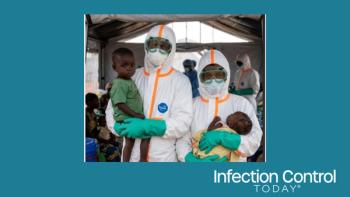
Infection preventionists in full PPE with children in DRC.  (Image credit: author with AI)
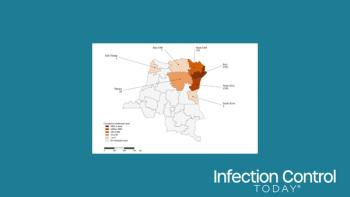
Nearly 4 months into the DRC's Bundibugyo virus disease outbreak, some indicators suggest transmission may be slowing. But shifting hotspots, treatment-center capacity problems, community deaths, and incomplete surveillance data show why national case totals alone cannot determine whether containment has been achieved.