News

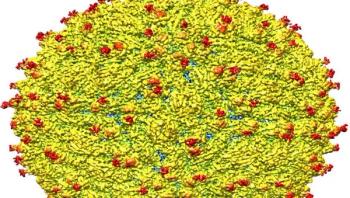
A near-atomic level map of Zika virus shows its structure to be largely similar to that of dengue virus and other flaviviruses, but with a notable difference in one key surface protein, report scientists funded by the National Institute of Allergy and Infectious Diseases (NIAID), part of the National Institutes of Health. The variation in the Zika envelope (E) glycoproteins-- 180 of which are packed on the virus's outer shell-- may provide clues to better understand how Zika virus enters human cells and suggests ways to combat the virus with drugs or vaccines aimed at the newly detailed region.

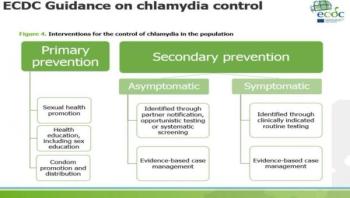
They are young and mostly female: with more than 3.2 million reported cases between 2005 and 2014, chlamydia remains the most commonly reported sexually transmitted infection (STI) across Europe. As chlamydia infection often shows no symptoms, these numbers underestimate the true picture. The updated ECDC guidance, "Chlamydia Control in Europe," makes the case for national chlamydia control strategies in the European Union member states and shows ways to develop, implement or improve national or local control activities.

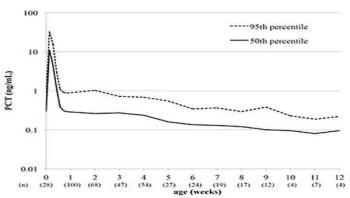
A research group led by Kobe University professor Morioka Ichiro (Graduate School of Medicine, Department of Pediatrics), associate professor Osawa Kayo (Graduate School of Health Sciences, Department of Biophysics), and clinical technologist Sato Itsuko (Kobe University Hospital, Department of Clinical Laboratory) is proposing a new criterion for diagnosis of bacterial infection in preterm infants. Using this method could lead to early diagnosis and treatment for bacterial infection and improve the prognosis for preterm infants. These findings were published in the online version of the journal Scientific Reports on April 1, 2016.

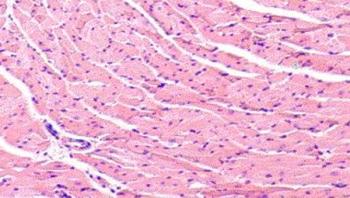
A review article has been published in the journal Current Pharmaceutical Design which provides an overview of the recent literature discussing the different clinical forms of heart disease resulting from virus infections including the prognosis, and current therapies. Many common viruses causing respiratory illness, including enteroviruses and influenza viruses among others, have the potential to infect the heart and initiate an immune response to the infection. These viruses can also produce mild to lethal cardiac injury.

Researchers at Umeå University in Sweden have developed a method that simplifies the diagnosis of ear infections (otitis media), something which annually affects half a billion children worldwide. The software-based method automatically analyses images from a digital otoscope and enables highly accurate diagnoses. The method is described in the journal EBioMedicine.

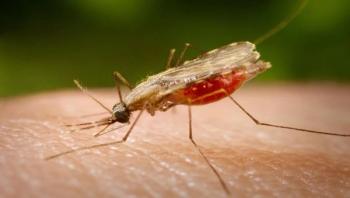
A group of scientists, including one from the University of California, Riverside, has discovered a long-hypothesized male determining gene in the mosquito species that carries malaria, laying the groundwork for the development of strategies that could help control the disease.