
News
Advertisement
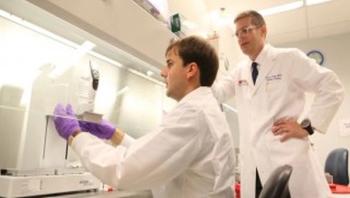
Vanderbilt University researchers have partnered with Mapp Biopharmaceutical Inc. to develop new human antibody therapies for people exposed to the deadly Ebola and Marburg viruses.
Advertisement

Advertisement
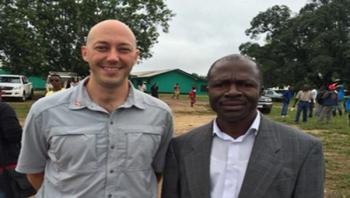
Bucket showers. No internet. Generator-based power, so when the fuel ran out so did the electricity. Those were factors that Erik-one of CDC’s disease detectives recently deployed to Liberia-expected during his thirty-day trip abroad. But it was the unrelenting grip Ebola had on everyday life that took him by surprise, and tugged at his heart.
Advertisement
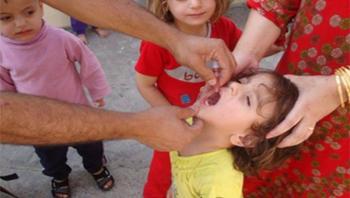
For the first time ever, the World Health Organization (WHO) is leading the health response to five major humanitarian crises at the same time. More than 60 million people, from West Africa to Iraq, urgently require a wide range of healthcare services.
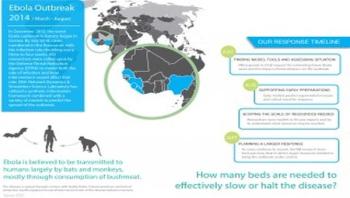
The Ebola outbreak could claim hundreds of thousands of lives and infect more than 1.4 million people by the end of January, according to a statistical forecast released this week by the Centers for Disease Control and Prevention (CDC).
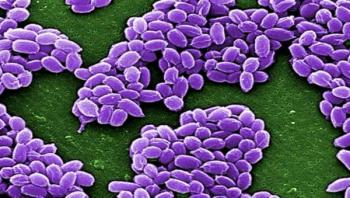
Bacillus anthracis bacteria have very efficient machinery for injecting toxic proteins into cells, leading to the potentially deadly infection known as anthrax. A team of MIT researchers has now hijacked that delivery system for a different purpose: administering cancer drugs.
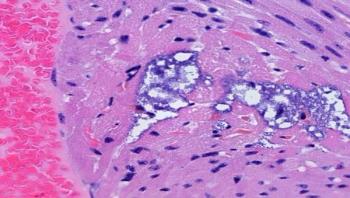
The long-observed association between pneumonia and heart failure now has more physical evidence, thanks to research in the School of Medicine at the University of Texas Health Science Center at San Antonio.
The transplantation of fecal microbiota from a healthy donor has been shown in recent clinical studies to be a safe and highly effective treatment for recurrent Clostridium difficile (C. difficile) infection and is now recommended in European treatment guidelines. Fecal microbiota transplantation (FMT) has emerged as a revolutionary, potentially life-saving treatment for this common, difficult-to-treat infection, and is showing promise in the management of other microbiota-related conditions.
Advertisement
Advertisement
Trending on Infection Control Today
1
Hantavirus Concerns and Cruise Ship Hygiene: What Infection Preventionists Need to Know
2
Education, Advocacy, and Recognition: Malinda Elammari on the Future of Sterile Processing
3
IP LifeLine: Connecting With Specialized Recruiters and Navigating the Hiring Process
4