
News
Advertisement
Advertisement
Advertisement
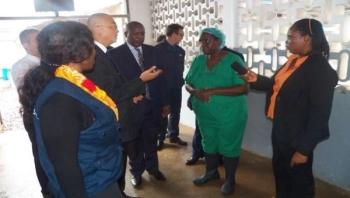
Madira Lefa, assistant physician at Kagadi Hospital in Uganda, cried when he read what was going on in Liberia, one of the three countries most seriously affected by the Ebola outbreak. Immediately he started thinking, “I have to help my colleagues”. Madira is one of 14 Ugandan medical doctors and healthcare workers now working in the Ebola treatment centre in JFK Hospital in Monrovia, having been deployed by the World Health Organization (WHO).
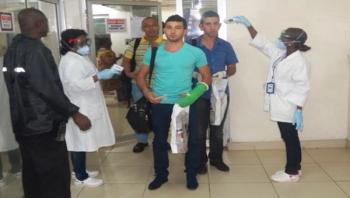
“Excuse me, sir, I need to take your temperature.” These words are often overheard these days at the international airport of Monrovia, where a group of doctors and nurses from the Ministry of Health of Liberia screen passengers arriving and leaving the country for Ebola.
Advertisement
Advertisement
Trending on Infection Control Today
1
Hantavirus Concerns and Cruise Ship Hygiene: What Infection Preventionists Need to Know
2
Education, Advocacy, and Recognition: Malinda Elammari on the Future of Sterile Processing
3
IP LifeLine: Connecting With Specialized Recruiters and Navigating the Hiring Process
4