
News
Advertisement

Advertisement
Advertisement

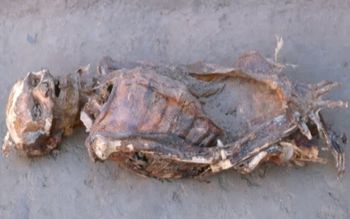
Mummies from along the Nile are revealing how age-old irrigation techniques may have boosted the plague of schistosomiasis, a water-borne parasitic disease that infects an estimated 200 million people today.
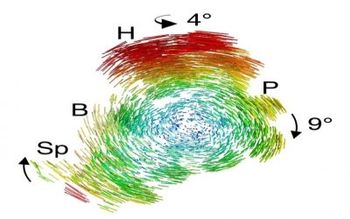
It sounds like hype from a late-night infomercial: It can twist and bend without breaking! And wait, there's more: It could someday help you fend off disease. But in this case it's true, thanks to scientists from several institutions including the U.S. Department of Energy's Lawrence Berkeley National Laboratory. They derived atomic-scale resolution structures of the cell's protein-making machine, the ribosome, at key stages of its job.
Advertisement
Advertisement
Trending on Infection Control Today
1
Education, Advocacy, and Recognition: Malinda Elammari on the Future of Sterile Processing
2
UV-C as a Critical Second Step in Reducing HAIs: Why Adjunct Disinfection Is a Strategic Investment in High-Risk Health Care Environments
3
Where There Is Ruin, There Is Hope: Rebuilding Infection Prevention Staffing Based on Regulatory Definitions
4