News


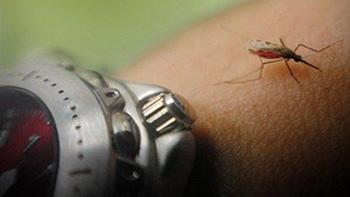
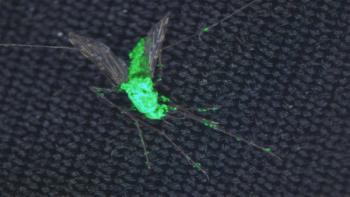
Researchers are exploring the use of the revolutionary gene-editing tool CRISPR-Cas9 to fight human disease and agricultural blight. But a study from Indiana University has found several challenges to the method's use in saving lives and crops. The research, reported in the journal Science Advances, combines advanced genetic and statistical analyses to show how certain genetic and behavioral qualities in disease-carrying insects, like mosquitoes, make these species resistant to genetic manipulation.


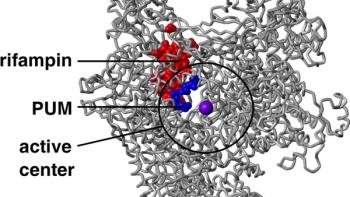
Directly observed therapy (DOT) for multidrug-resistant tuberculosis (MDR TB) was associated with a 77 percent decrease in mortality in the United States, compared to self-administered therapy from 1993 to 2013, according to new research presented at the ATS 2017 International Conference.


In June 2012, a 60-year-old man with flu-like symptoms walked into a private hospital in Jeddah, Saudi Arabia. Two weeks later, he died from multiple organ failure, becoming the first victim of a mysterious virus that came to be known as Middle East Respiratory Syndrome or MERS. The World Health Organization (WHO) has identified MERS as an urgent threat with no vaccine or treatment in sight. This could change thanks to a new anti-viral tool, developed by University of Toronto researchers.

In a turnabout, a biochemical self-destruct trigger found in many other types of cells appears to guard the lives of brain cells during an infection with West Nile virus. UW Medicine scientists led research showing that this chemical pathway doesn't have to sacrifice brain cells to destroy the viruses and recruit the body's defenses against infection.

A new study led by Colorado State University researchers found that Aedes aegypti, the primary mosquito that carries Zika virus, might also transmit chikungunya and dengue viruses with one bite. The findings shed new light on what's known as a co-infection, which scientists said is not yet fully understood and may be fairly common in areas experiencing outbreaks.

In June 2016, the Centers for Disease Control and Prevention (CDC) released a clinical alert about the emerging, and often multidrug-resistant, fungus Candida auris and later reported the first seven U.S. cases of infection through August 2016 (1). Six of these cases occurred before the clinical alert and were retrospectively identified. As of May 12, 2017, a total of 77 U.S. clinical cases of C. auris had been reported to CDC from seven states: New York (53 cases), New Jersey (16), Illinois (four), Indiana (one), Maryland (one), Massachusetts (one), and Oklahoma (one). All of these cases were identified through cultures taken as part of routine patient care (clinical cases).

The fight to contain the 2013-16 Ebola outbreak in West Africa was hampered by the lack of an effective treatment or vaccine. Researchers funded in part by the National Institute of Allergy and Infectious Diseases (NIAID), part of the National Institutes of Health (NIH), have studied the blood of an Ebola survivor, searching for human antibodies that might effectively treat not only people infected with Ebola virus, but those infected with related viruses as well. Now the researchers have identified two such antibodies that hold promise as Ebola treatments.

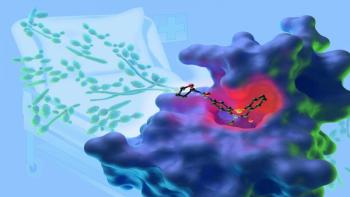
Scientists from MIPT, in collaboration with their colleagues from the Forschungszentrum Jülich, the Institut de Biologie Structurale (IBaS) and European Synchrotron Radiation Facility (ESRF) in Grenoble, have proposed a universal mechanism for the "sense of smell" in bacteria. This was done by obtaining the structure of the NarQ protein from Escherichia coli (E. coli) -- which belongs to a universal class of sensory histidine kinases that are responsible for transmitting signals to bacteria about their environment. The paper published in Science will help us understand how bacteria "communicate" with one another and form biofilms on sterile surfaces or inside the human body.

Outbreaks of a parasitic infection linked to swimming pools and water playgrounds are increasingly being reported to the Centers for Disease Control and Prevention (CDC), with twice as many outbreaks in 2016 as in 2014.


Anthony S. Fauci, MD, director of the NIAID, and Carl W. Dieffenbach, PhD, director of the Division of AIDS at NIAID, have issued the following statement: "Much progress has been made in HIV/AIDS research since the disease was first recognized in 1981. Today, lifesaving antiretroviral therapies allow those living with HIV to enjoy longer, healthier lives - an outcome that once seemed unattainable. Research supported by the National Institute of Allergy and Infectious Diseases (NIAID), part of the National Institutes of Health (NIH), has proven that when antiretroviral therapy durably keeps HIV at undetectable levels, the risk that the treated individual will sexually transmit the virus to an HIV-negative partner is negligible. When implemented in communities, treatment as prevention is remarkably successful at preventing the spread of HIV infection. Pre-exposure prophylaxis, or PrEP, is another prevention strategy in which HIV-negative people take one pill a day to reduce their risk of acquiring the virus. This intervention is highly effective when individuals adhere to the drug regimen.


A study in mice and humans suggests that bacteria in the gut can influence the structure of the brain's blood vessels, and may be responsible for producing malformations that can lead to stroke or epilepsy. The research, published in Nature, adds to an emerging picture that connects intestinal microbes and disorders of the nervous system. The study was funded by the National Institute of Neurological Disorders and Stroke (NINDS), a part of the National Institutes of Health (NIH).

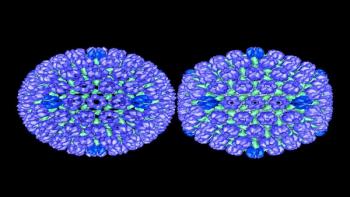
Brisbane researchers have synthetically re-created Zika virus in the laboratory, a breakthrough which will help to understand the virus and the fetal brain defects it causes. The collaborative research was led by University of Queensland School of Chemistry and Molecular Bioscience's professor Alexander Khromykh and professor Andreas Suhrbier from QIMR Berghofer Medical Research Institute.


Researchers from the Vavilov Institute of General Genetics of the Russian Academy of Sciences (VIGG) and the Moscow Institute of Physics and Technology (MIPT) have established a catalog of mutations in 319 virulence genes of mycobacteria that cause tuberculosis. These genes encode proteins that suppress human immune response. Further analysis identified a set of three mutations which may enable mycobacteria to develop rapidly in an immunocompromised environment. The emerging strains of TB pathogens require new treatment approaches including the development of new genetically engineered vaccines that take into account both the immune status of a patient and the specific virulence features of a pathogen. The article was published in Genome Biology and Evolution (Oxford University Press, UK).

New research led by Alexey Terskikh, PhD, associate professor at Sanford Burnham Prebys Medical Discovery Institute (SBP), and Alex Strongin, PhD, professor at SBP, could be a first step toward a drug to treat Zika infections. Publishing in Antiviral Research, the scientific team discovered a compound that prevents the virus from spreading.

Ebola outbreaks are set to be managed quickly and efficiently – saving lives – with a new approach developed by an international team of researchers, including the University of Warwick, which helps to streamline outbreak decision-making.

Researchers from the University of Liverpool have conducted a study of Ebola survivors to determine if the virus has any specific effects on the back on the eye using an ultra widefield retinal camera.

In the healthcare setting, there is an increasing need for a self-donning surgical gown that healthcare personnel can don without the need for any assistance. Also, in the context of crisis management for the Ebola virus and other severe infectious diseases, use of a gown that can be donned and removed quickly and safely as infection protection to prevent transmission to the environment is more important than ever.