
News
Advertisement

Advertisement

Advertisement
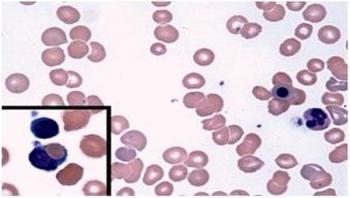
Babesiosis is a rare -- but increasingly common -- disease spread by ticks. After a bite from an infected tick, microscopic malaria-like parasites are transmitted into the host where they can infect and destroy red blood cells, causing nonimmune hemolytic anemia. Treatment with antimicrobials usually clears the parasite and resolves the anemia. However, sporadic cases of warm-antibody autoimmune hemolytic anemia (WAHA) have been observed in patients after treatments for babesiosis. This autoimmune form of anemia occurs when the body attacks its own red blood cells, eliminating these cells from circulation. To better understand this complication, BWH researchers led by Ann Wolley, MD, and Francisco Marty, MD, of the Division for Infectious Diseases at Brigham and Women's Hospital conducted a retrospective analysis of patients who had been cared for at BWH from January 2009 through June 2016. Of 86 patients diagnosed with babesiosis during that time, six developed WAHA two to four weeks later, after the parasitic infection had been resolved. These six cases are presented in a study published online in the New England Journal of Medicine on March 8.
Advertisement
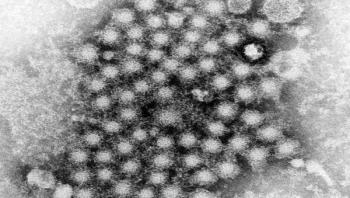



A deadly raccoon parasite that can cause severe neurological problems in infected hosts has been popping up in the South, and seven new cases of human infection in the U.S. have been documented in the last two years alone. Although this “raccoon roundworm” was believed to cause severe problems and even death in people who become infected, a new University of Georgia study shows that’s not always the case. Researchers found that people with frequent contact with raccoons who have a higher risk of becoming infected with Baylisascaris procyonis-such as wildlife rehabilitators-did test positive for the parasite but weren’t showing any symptoms.
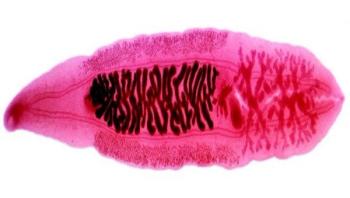
Clonorchiasis, a neglected tropical disease usually acquired by eating undercooked freshwater fish, affects an estimated 15 million people around the globe. More than 85% of cases are concentrated in China. Now, researchers have produced high-resolution risk maps for clonorchiasis in China. Their results, published in PLOS Neglected Tropical Diseases, identified provinces with the highest risk and important predictors for clonorchiasis. Moreover, the risk of the disease has been profiled for areas without survey data.
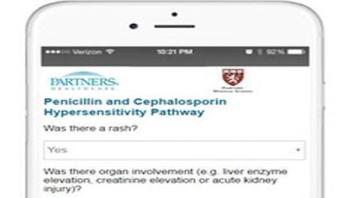
Massachusetts General Hospital (MGH) and Brigham and Women's Hospital (BWH) investigators have developed two approaches to increasing the use of penicillins and cephalosporins - highly effective antibiotics that are not as problematic as many alternatives - in hospitalized patients previously believed to be allergic to penicillin. Their report, which has been published online in the Journal of Allergy and Clinical Immunology, describes how both tested protocols -- use of penicillin allergy skin tests or a computerized guideline/decision support tool -- safely increased the use of penicillin and penicillin-related antibiotics in inpatients.
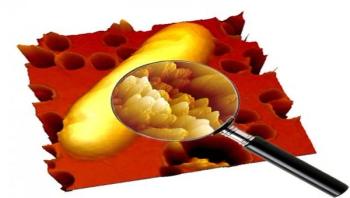
McMaster University researchers have found a new way to treat the world’s worst infectious diseases, the superbugs that are resistant to all known antibiotics. The discovery of an effective combination therapy has the potential to change medical practice for the treatment of the drug resistant infections which the World Health Organization (WHO) last week identified as of “critical priority” for their threat to human health. The research was published in the journal Nature Microbiology today.

In this new series for 2017, we offer insights from experts in industry and in healthcare delivery regarding smart evaluation and purchasing of infection prevention and control-related products. In this installment, we address IV and catheter-related products.
Advertisement
Advertisement
Trending on Infection Control Today
1
The World's Game, the World's Pathogens: Infection Prevention at the FIFA World Cup 2026
2
Pertussis Is Not Just a Childhood Disease: Why Lifelong Vaccination Matters More Than Ever
3
Diagnostics Take Center Stage in Ebola Response as Rare Bundibugyo Outbreak Expands
4