News

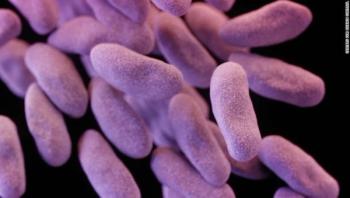
For more than a millennia of medicine, the caregiver's oath has been, "Do no harm." Unfortunately for the sterile processing world, there are billions of microorganisms out there that are aiming at doing the exact opposite. The challenge is so great that most hospitals have entire departments dedicated to the mission of infection control, a practical sub-set of epidemiology concerned with preventing nosocomial (healthcare-associated) infections. Although there are countless areas of focus for these teams in a hospital setting, there are few more effective partners in winning the fight against infection than the sterile processing team.

Q: My facility does not launder our scrubs, we must take them home.  I have heard from other colleagues that their facilities provide and launder their scrubs.  What is the recommended dress code for SPD in the clean/sterile areas and should our scrubs be laundered by the facility?A: I can understand your confusion.  Unfortunately, not all facilities comply with the standards and therefore do not provide laundered scrubs to sterile processing staff.  I do not really understand the non-compliance by facilities when one considers that SPD personnel are preparing sterile product for use on patients.  Therefore very effort should be made to keep bioburden levels to a minimum.

There are five key considerations that healthcare professionals should take into account when selecting the optimal disinfectant for the decontamination of environmental surfaces and noncritical patient-care items.

Handheld, mobile phone-based microscopes can be used in developing countries after minimal training of community laboratory technicians to diagnose intestinal parasites quickly and accurately. A first of its kind, community-based study carried out in the Republic of Côte d'Ivoire, West Africa found that two different handheld microscopes could both effectively rule in individuals infected by parasites - important in allocating resources for public health screening - but varied in their sensitivity to detect all cases of an illness, in comparison to a conventional laboratory microscope. The study, "Accuracy of Mobile Phone and Handheld Light Microscopy for the Diagnosis of Schistosomiasis and Intestinal Protozoa Infections in Côte d'Ivoire," is published online in the open access journal PLOS Neglected Tropical Diseases on June 27, 2016.

The World Health Organization (WHO) declared a Public Health Emergency of International Concern in February 2016, based on the suspected link between Zika virus infection, congenital malformations, and neurologic syndromes. Since then, several developers and laboratories have developed Zika tests, but none that responds to all the characteristics that would make a real difference to the epidemic.

Almost everything we do in the healthcare industry is designed around one main focal point: patient safety. And infection prevention and control (IPC) is no exception. Industry leaders are developing IPC protocols to keep patient safety and outcomes at the forefront of all decision making. That is why it is so important to take a proactive approach to preventing infections from occurring by assessing the risks that may derail IPC efforts.

The Centers for Medicare & Medicaid Services (CMS) maintains systems of oversight as part of its general mission to strengthen and modernize healthcare in the United States. Monitoring systems are a crucial component in CMS’s mission, factoring into all four of its strategic goals of better care and lower costs, prevention and population health, expanded healthcare coverage, and enterprise excellence.

Even if they appear clean, your hands can be a vehicle for spreading potentially deadly foodborne illnesses and healthcare-associated infections (HAIs). To reduce the transmission of pathogens, proper and regular hand care is key. Equally important is creating accountability around hand hygiene among employees.  But are we focusing too much of the discussion on which pathogens are killed and in how many seconds?  Are these facts convincing employees to increase handwashing and the use of hand sanitizer at critical moments? Unfortunately, the current approach isn’t as effective as it could be. And without compliance, these disease-causing microorganisms remain on hands. Uncovering factors that increase compliance can help protect employees, building visitors and an organization’s brand.

Saint Louis University’s vaccine center has been tapped by the National Institutes of Health to conduct a human clinical trial of a vaccine to prevent the Zika virus, which can cause devastating birth defects in babies.

What used to take several weeks is now possible in two days: thanks to new molecular-based methods, mycobacterial pathogens that cause pulmonary infections or tuberculosis can now be detected much more quickly. Time-consuming bacteria cultures no longer need to be taken from the patient samples, meaning that a suitable therapy can be started quickly.

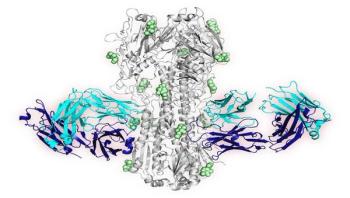
Scientists from the Institut Pasteur and the CNRS, in collaboration with Imperial College London and the University of Vienna, Austria, have identified antibodies that can efficiently neutralize both the dengue virus and the Zika virus. The description of the binding site for these antibodies on the viral envelope, identical for both viruses, could lead to the development of a universal vaccine that offers simultaneous protection against dengue and Zika virus disease. These results were published in the journal Nature on June 23, 2016.