
News
Advertisement
Advertisement

Advertisement
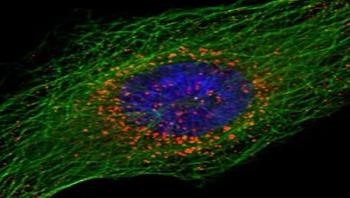
Loyola University Chicago scientists have solved a mystery that has long baffled HIV researchers: How does HIV manage to enter the nucleus of immune system cells? The discovery, reported in the journal PLOS Pathogens, could lead to effective new drugs to treat HIV/AIDS, said Edward M. Campbell, PhD, corresponding author of the study. Campbell is an associate professor in the Department of Microbiology and Immunology of Loyola University Chicago Stritch School of Medicine.


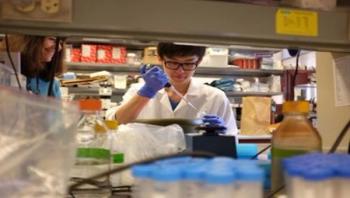
Researchers from the University of Chicago have shown that microbiota-the bacteria, viruses and other microbes living on the skin and in the digestive system-play an important role in the body’s ability to accept transplanted skin and other organs.

Promoting the value of infection prevention programs and securing the resources necessary to ensure the continued viability of such programs has become an imperative for the infection preventionist (IP) in the era of healthcare reform and increased demands on IPs' time. A new guidance document aims to provide an updated assessment of the resources and requirements for an effective infection prevention and control/healthcare epidemiology (IPC/HE) program.
From the front of the hospital classroom I saw the indifferent stares of 30 nurse residents. These first year nurses were participating in an employer sponsored program to facilitate their transition into clinical role as well as to support retention which is often unfortunately poor during this critical period in a professional RN career. However well-intended the residency program was, the lack of enthusiasm for my upcoming infection prevention update was unmistakable. As a long-time infection preventionist (IP), this was not particularly surprising, as few trainees seek out prevention content unless there is an imminent threat or some other infectious crisis. Overcoming such learner apathy – including the anticipated “we’ve heard this all before” attitude – is endemic to the infection prevention educational environment.



Advertisement
Advertisement