News


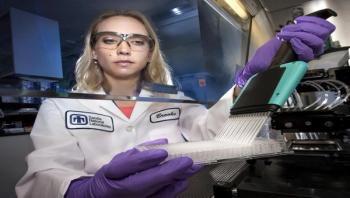
Harvard researchers have created a new, greatly simplified, platform for antibiotic discovery that may go a long way to solving the crisis of antibiotic resistance. In a study just published in the journal Nature, Andrew G. Myers and colleagues describe "a platform where we assemble eight (chemical) building blocks by a simple process to make macrolide antibiotics" without using erythromycin, the original macrolide antibiotic, and the drug upon which all others in the class have been based since the early 1950s.

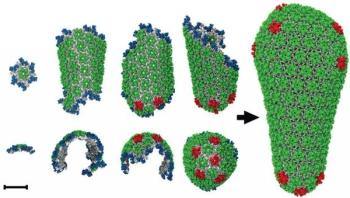
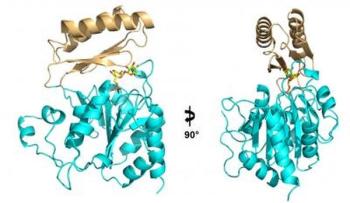
A team led by researchers from Tianjin University in China has solved the structure of the Zika virus helicase, which is a key target for antiviral development. The research is published in Springer's journal Protein & Cell.


In the recent issue of EMBO reports, Barbara Han of the Cary Institute of Ecosystem Studies and John Drake of the University of Georgia Odum School of Ecology call for the creation of a global early warning system for infectious diseases. Such a system would use computer models to tap into environmental, epidemiological and molecular data, gathering the intelligence needed to forecast where disease risk is high and what actions could prevent outbreaks or contain epidemics.

Patients with obstructive lung disease who take inhaled corticosteroids (ICS) may be at greater risk for nontuberculous mycobacteria pulmonary disease (NTM PD), according to new research presented at the ATS 2016 International Conference.


A viral protein known as NS5 is a promising target for vaccines against Zika and related viruses, according to National Institutes of Health (NIH) scientists and colleagues at Mount Sinai's Icahn School of Medicine. Their study, published online May 19, 2016 in Cell Host & Microbe, suggests that altering or removing the NS5 protein from Zika virus would allow the human body's own immune defenses to attack the virus. The study found that NS5 prevents Zika virus-infected human cells from signaling immune system cells to make interferon, a powerful antiviral protein.


After three years and 300 patients, George Mason University researchers have proof that their early-detection urine test for Lyme disease works.


Rutgers is taking a leading role in an IBM-sponsored World Community Grid project that will use supercomputing power to identify potential drug candidates to cure Zika virus infection.


Methicillin-resistant Staphylococcus aureus (MRSA) may soon be beatable thanks to the efforts of University of South Florida scientists who have isolated and tested an extract from a sponge found in Antarctica. The sponge extract, known as Dendrilla membranosa, yields a new, natural product chemical which has shown in laboratory tests that it can eliminate more than 98 percent of MRSA cells. The research team has named the new chemical "darwinolide."

A University of Oklahoma team of chemists has developed a new antibiotic formulation to fight the sometimes deadly staph infection caused by methicillin-resistant S. aureus (MRSA) and other antibiotic-resistant infectious bacteria. The new drug to treat MRSA combines traditional Food and Drug Administration-approved antibiotics, such as methicillin, with the polymer BPEI.