
News
Advertisement
Advertisement
Advertisement
Q: My hospital is implementing a third-party reprocessing program. I am not in support of this. I cannot believe that a company can take a single-use device and make it safe again. I am all for containing costs but not at the risk of a patient safety. What do you know about this process?
Fewer than one-fifth of ambulatory-care nurses surveyed in a recent study reported compliance with all nine components of Standard Precautions, indicating a continuing need for identifying barriers to compliance and emphasizing patient and healthcare personnel safety. As Powers, et al. (2016) emphasize, "Exposure to blood and bodily fluids represents a significant occupational risk for nurses. The most effective means of preventing bloodborne pathogen transmission is through adherence to Standard Precautions (SP). Despite published guidelines on infection control and negative health consequences of noncompliance, significant issues remain around compliance with SP to protect nurses from bloodborne infectious diseases, including hepatitis B virus, hepatitis C virus (HCV), and HIV."
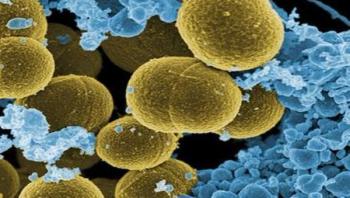
Staphylococcus aureus bacteria are the leading cause of skin, soft tissue and several other types of infections. Staph is also a global public threat due to the rapid rise of antibiotic-resistant strains, including methicillin-resistant Staphylococcus aureus (MRSA). Yet Staph also commonly colonize our nasal passages and other body sites without harm. To better understand these bacteria and develop more effective treatments, University of California San Diego researchers examined not just a single representative Staph genome, but the "pan-genome" -- the genomes of 64 different strains that differ in where they live, the types of hosts they infect and their antibiotic resistance profiles.

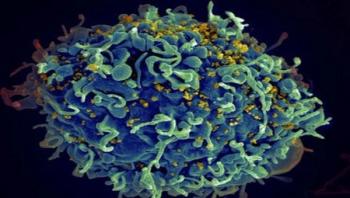
Vaccines are usually medicine’s best defense against the world’s deadliest microbes. However, HIV is so mutable that it has so far effectively evaded both the human immune system and scientists’ attempts to make an effective vaccine to protect against it. Now, researchers from the Perelman School of Medicine at the University of Pennsylvania have figured out how to make a much-improved research tool that they hope will open the door to new and better HIV vaccine designs. George M. Shaw, MD, PhD, a professor of Hematology/Oncology and Microbiology, and Hui Li, MD, a research assistant professor of Hematology/Oncology, published their results in the early online edition of the Proceedings of the National Academy of Sciences.

Emerging evidence suggests a broader range of possible complications for babies born to women affected with Zika virus. These could go beyond microcephaly to effects on other brain abnormalities. The World Health Organization (WHO) is coordinating efforts to understand the broader range of complications that define congenital Zika virus syndrome and invites partners to join in this effort.
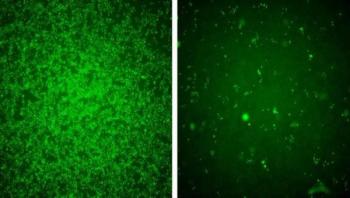
Eight weeks after receiving their first samples of Zika virus, scientists at the University of Massachusetts Medical School (UMMS) have shown that a very small protein we all have in our bodies, interferon-induced protein 3 (IFITM3), can dramatically reduce the ability of Zika virus to infect human and mouse cells. In some cases, IFITM3 can also prevent Zika virus from killing our cells. The findings, by senior author Abraham Brass, MD, PhD, assistant professor of microbiology & physiological systems, suggest that boosting the actions of IFITM3 may be useful for inhibiting Zika virus and other emerging viral infections. The study appears in the journal Cell Reports.

Antimicrobial resistance (AR), the phenomenon whereby microbes gradually develop resistance to agents used to eradicate them, is rapidly becoming a severe and urgent threat to global public health. Thanks to AR, a wide range of infections – even those once considered routine – are developing ultimately life-threatening potential by becoming increasingly difficult to treat until eventually untreatable, and consequently rates of healthcare-associated infections (HAIs), morbidity and mortality are increasing. Unfortunately, as AR rises and our arsenal of antimicrobial weaponry falls, some of the greatest achievements of modern medicine – such as organ transplantation and other complex surgeries, as well as cancer chemotherapy – may be invalidated.
Advertisement
Advertisement