
News
Advertisement

Scientists have developed an easy-to-use computer program that can quickly analyze bacterial DNA from a patient's infection and predict which antibiotics will work, and which will fail due to drug resistance. The software is currently being trialed in three UK hospitals to see whether it could help speed up diagnosis of drug-resistant infections and enable doctors to better target the prescription of antibiotics.
Advertisement
Advertisement
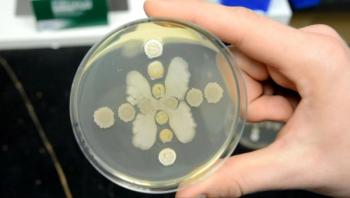
Two types of bacteria found in the soil have enabled scientists at Texas A&M AgriLife Research to get the dirt on how resistance to antibiotics develops along with a separate survival strategy. The study, published in the journal PLOS Genetics this month, identifies an atypical antibiotic molecule and the way in which the resistance to that molecule arises, including the identity of the genes that are responsible, according to Dr. Paul Straight, AgriLife Research biochemist.
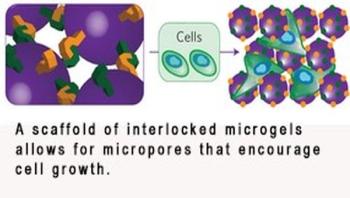
Some skin wounds, such as diabetic ulcers, are chronic and may never heal; others, such as burn wounds, are often large and difficult to treat, resulting in pain, infection and scarring. Researchers at the University of California, Los Angeles (UCLA), funded by the National Institutes of Health (NIH), have developed a synthetic biomaterial that fills wounds and aids in regeneration of skin cells, which ultimately improves wound healing.
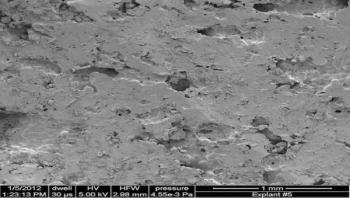
Rice University researchers developing temporary implants for facial reconstruction are incorporating a unique way to deliver time-released antibiotics to ward off infection while a patient heals.
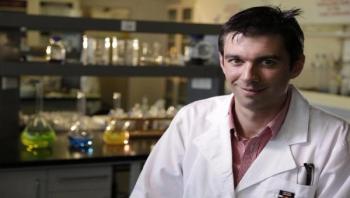
Biofilms -- formed by bacteria that stick to each other on living tissue and medical instruments, making them harder to remove -- can be tricked into dispersing with the targeted application of nanoparticles and heat, researchers have found. The University of New South Wales study, jointly led by associate professor Cyrille Boyer of the School of Chemical Engineering and deputy director of Australian Centre for NanoMedicine, appears in today's issue of Nature's open access journal Scientific Reports.

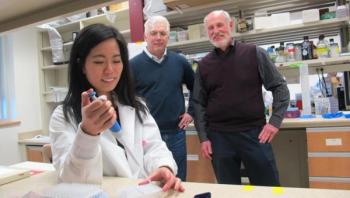
A new discovery from the University of Alberta's Faculty of Medicine & Dentistry could open the door to one day treat or prevent diseases caused by West Nile virus and Dengue virus infections. The research, published and featured in the December edition of the Journal of Virology, examines a previously unknown connection between flaviviruses--a classification of viruses that include West Nile virus, Dengue virus and tick-borne encephalitis virus--and organelles (a specialized subunit within a cell) known as peroxisomes that help coordinate the body's immune responses. Postdoctoral fellow Jaehwan You and PhD student Shangmei Hou, the lead authors on the study, found that flaviviruses induce degradation of a protein called Pex19, which is essential for the building of new peroxisomes, setting off a chain reaction that could leave the body more vulnerable to viral infection.

UW researchers working in collaboration with Kineta Inc. and the University of Texas at Galveston have shown that making a drug-like molecule to turn on innate immunity can induce genes to control infection in several -known viruses. The findings being published in the Journal of Virology Dec. 18 show promising evidence for creating a broad spectrum antiviral that can suppress a range of RNA viruses, including West Nile, dengue virus, hepatitis C, influenza A, respiratory syncytial, Nipah, Lassa and Ebola.


Advertisement
Advertisement