With a new $1,780,000 grant from the National Institutes of Health (NIH), Saint Louis University researchers aim to develop a biomarker that will buy precious time for sepsis patients.
With a new $1,780,000 grant from the National Institutes of Health (NIH), Saint Louis University researchers aim to develop a biomarker that will buy precious time for sepsis patients.


Scientists at the U.S. Department of Energy's Brookhaven National Laboratory and collaborators at Stony Brook University and the Institute of Advanced Sciences in Dartmouth, Mass., have discovered new details about how "cloaking" proteins protect the toxin that causes botulism, a fatal disease caused most commonly by consuming improperly canned foods. That knowledge and the cloaking proteins themselves might now be turned against the toxin-the deadliest known to humankind-to deliver vaccines or drugs that could prevent or treat the disease. The results appear in the journal Scientific Reports, published online Dec. 7, 2015.
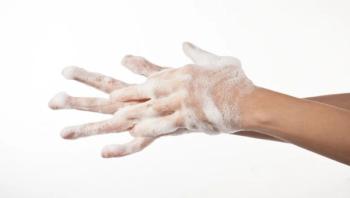
Hand hygiene is the most important factor in preventing the spread of healthcare associated infections (HAIs), a major threat to patient safety and cause of morbidity and mortality worldwide. Beyond their human costs, HAIs are fiscally costly, accounting for billions of dollars’ worth of expenditure in the U.S. healthcare system annually. Studies substantiate the connection between hand hygiene and HAIs; however, hand hygiene compliance among healthcare workers (HCWs) remains alarmingly low, with average rates of only 40 percent to 50 percent, in spite of widespread education and awareness.

For years, researchers have noted a tantalizing link between some neurologic conditions and certain species of the herpes virus. In patients with Alzheimer's disease, multiple sclerosis, and cerebellar ataxia, among other neuropathies, the cerebrospinal fluid teems with Epstein-Barr virus (EBV). Yet, the nature of that link has remained unclear, as it has been assumed that EBV, as well as other viruses in the same sub-family, called gammaherpesviruses, cannot infect neurons. Now, thanks to investigators from the Perelman School of Medicine at the University of Pennsylvania, researchers in this field know better. Erle S. Robertson, PhD, a professor of Microbiology and Otorhinolaryngology and Director of the Tumor Virology Training Program at the Abramson Cancer Center, and colleagues published in mBio this week that EBV and a related virus, Kaposi's sarcoma-associated herpesvirus (KSHV), can infect and replicate in both cultured and primary neurons.

The use of disposable gloves is integral to modern healthcare. Providing a protective barrier between patients and healthcare personnel, medical gloves discourage transmission of a wide variety of diseases. Currently, several types of examination and surgical gloves are available, falling into two main categories: traditional gloves manufactured with materials that provide optimal functionality but may cause health complications, or gloves that are made with newer materials and technologies but may have deficits in shelf life, strength and elasticity.



The National Institutes of Health have awarded scientists at Texas Biomedical Research Institute and collaborators at the Food and Drug Administration, UCLA and the University of Pennsylvania a $5 million grant over the next four years to study a combination of antiviral drugs and investigative AIDS vaccines aimed at treating infants and children affected by HIV. Dr. Ruth Ruprecht, a scientist and director of the Texas Biomed AIDS Research Program, is leading this study.