
News
Advertisement
Advertisement
As the chief scientific officer for Xenex Healthcare Services, I see firsthand the selection process for room disinfection systems at many facilities. As with any hospital purchasing process, multiple individuals are involved. The biggest difficulty is that the people involved may all be asking different questions. Some individuals may get very interested in the different technologies while others will only care about the economics of the purchase. I believe that by taking the group through a question forming exercise, the selection process can be streamlined. Of course, before getting to the question, it is best to understand the problem.
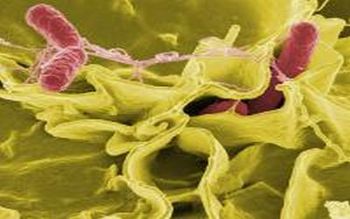
A recent discovery of "hypervirulent" Salmonella bacteria has given UC Santa Barbara researchers Michael Mahan and Douglas Heithoff a means to potentially prevent food poisoning outbreaks from these particularly powerful strains. Their findings, in a paper titled "Intraspecies Variation in the Emergence of Hyperinfectious Bacterial Strains in Nature," have been published in the journal PLoS Pathogens.
Advertisement


How often are outbreak investigations being conducted at U.S. hospitals? Fairly frequently, according to a group of researchers who also sought to examine the various triggers for investigations, the types of organisms involved, and the control measures being utilized by healthcare facilities. They also discovered that norovirus caused 18.2 percent of all infection outbreaks and 65 percent of ward closures in U.S. hospitals during a two-year period.
Today, most HAI surveillance is passive, relying on data retrospectively gathered from medical records. Conversely, active surveillance involves prospective steps to identify patients who have or who may develop HAIs, using standardized definitions of infection, pre-determined criteria, and protocols that result in risk-adjusted HAI incidence rates.
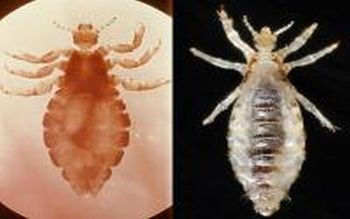
A new study offers compelling genetic evidence that head and body lice are the same species. The finding is of special interest because body lice can transmit deadly bacterial diseases, while head lice do not. The study appears in the journal Insect Molecular Biology.
Advertisement
Advertisement
Trending on Infection Control Today
1
Bug of the Month: The Quiet Guest in the Dust
2
What Is Effective Preparedness for Emerging Respiratory Viruses? Shazia Irum, MSC, MBA, RN, CIC, CPHQ, FAPIC, answers
3
Continuous Photohydrolysis Disinfection Cuts MDROs, COVID-19, and Hospital Transfers in Long-Term Care, Study Finds
4
Influenza D and Canine Coronavirus: Why Underrecognized Animal Viruses May Be the Next Respiratory Threat
5