
News
Advertisement
Advertisement
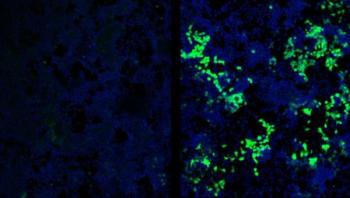
Scientists from the Institute of Molecular and Cell Biology (IMCB), a research institute under the Agency for Science, Technology and Research (A*STAR), Singapore, have uncovered the mechanisms which embryonic stem cells employ to inhibit virus expression. The ground-breaking discovery could potentially advance stem cell therapeutics and diagnostics.

Advertisement

As drug-resistant strains of bacteria and viruses continue to arise, St. Mary’s Health Care System in Athens, Ga. is taking an innovative step to help protect patients from infection: the Athens hospital is the first in Northeast Georgia to use powerful ultraviolet radiation to treat surgical suites, isolation rooms and other areas of the hospital.
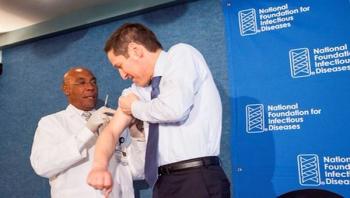
With influenza season approaching, health experts at a news conference held at the National Press Club by the National Foundation for Infectious Diseases (NFID) reinforced the need for everyone six months of age and older to get vaccinated with updated 2015-2016 vaccine. Influenza vaccination coverage estimates have steadily increased, particularly over the past five years, and are highest in young children and older adults, who are among those most vulnerable to severe complications from the flu.
Advertisement


The Food and Drug Administration (FDA) has issued a communication to healthcare professionals to share preliminary information regarding infections associated with the use of reprocessed flexible bronchoscopes.
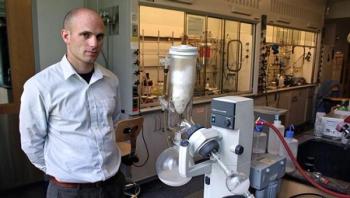
Yale University chemists have created a new process for synthesizing an organic, nitrogen-based compound that inhibits HIV. The process represents a fundamentally different approach to synthesizing alkaloids, which are naturally occurring compounds that contain nitrogen. The new approach uses a set of starting materials that do not require the usual tempering of nitrogen's reactive tendencies.
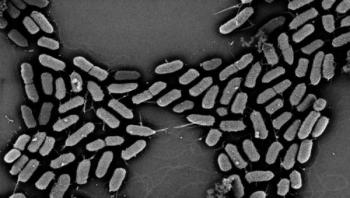
Scientists wonder why some people get so sick and even die after being infected by the foodborne pathogen E.coli O157:H7, while others experience much milder symptoms and recover relatively quickly. Now Penn State's College of Agricultural Sciences researchers believe they have discovered an explanation


Environmental hygiene, at its best, follows a prescribed set of steps in an evidence-based protocol, and guided by best-practice recommendations. Deviate from this protocol, or worse yet, cut corners, and patient outcomes can be jeopardized. As hospitals respond to the call to do more with less, the expediency with which patient rooms are turned over is increasing, leading some experts to sound the alarm about compromising patient safety.
Environmental services professionals play a crucial role in helping to prevent the spread of infections in patients, and to boost their ongoing education and training, the Association for the Healthcare Environment (AHE) of the American Hospital Association (AHA) is introducing a new certification program for these frontline technicians that will enhance their competencies. The Certified Healthcare Environmental Services Technician (CHEST) credential ensures that the cleaning practices in hospitals and other healthcare environments are superior and directly corre-late to help make a positive impact on infection rates, costs, quality of care, patient experience and outcomes.
Advertisement
Advertisement