
News
Advertisement
Advertisement
Advertisement
Advertisement
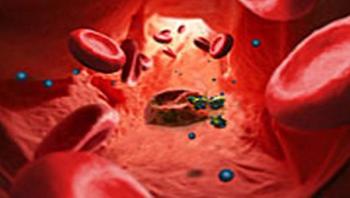
Malaria parasites invade human red blood cells, they then disrupt them and infect others. Researchers at the University of Basel and the Swiss Tropical and Public Health Institute have now developed so-called nanomimics of host cell membranes that trick the parasites. This could lead to novel treatment and vaccination strategies in the fight against malaria and other infectious diseases. Their research results have been published in the scientific journal ACS Nano.
Advertisement
Advertisement