
News
Advertisement
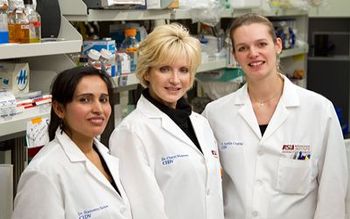
While many bacteria exist as aggressive pathogens, causing diseases ranging from tuberculosis and cholera, to plague, diphtheria and toxic shock syndrome, others play a less malevolent role and some are critical for human health.
Advertisement
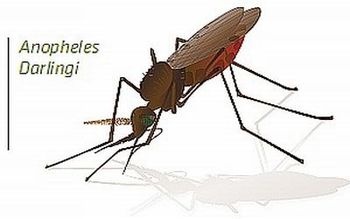
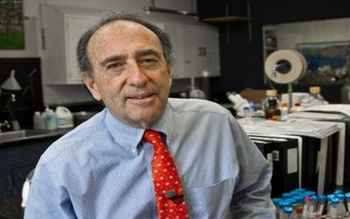
The advent of combination antiretroviral therapy in 1996, and patients success using the drugs in managing HIV, led to diminished interest in research towards a cure for a number of years.
Advertisement
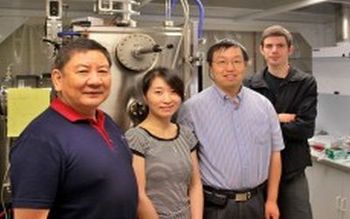
Using nanoscale materials, researchers at the University of Georgia have developed a single-step method to rapidly and accurately detect viruses, bacteria and chemical contaminants.


Scientists at the California Institute of Technology (Caltech) pioneered the study of the link between irregularities in the immune system and neurodevelopmental disorders such as autism a decade ago. Since then, studies of postmortem brains and of individuals with autism, as well as epidemiological studies, have supported the correlation between alterations in the immune system and autism spectrum disorder.
According to an Institute of Medicine (IOM) report, there are 2 million healthcare-associated infections (HAIs) per year in the United States. We also know that 100,000 of these infected patients die. The problem with this picture is that HAIs are preventable and with proper attention, these lives could be saved. Hence, our focus as infection preventionists needs to be on infection prevention rather than infection control.
Advertisement
Advertisement
Trending on Infection Control Today
1
SHEA 2026: Alexander Sundermann, DrPH, Explains How Whole Genome Sequencing Reveals Hidden HAI Transmission and Ethical Challenges in Patient Notification
2
Arlene Bush Reflects on HSPA Presidency Ahead of 2026 Conference: Advocacy, Certification, and the Future of Sterile Processing
3
Clean Bite: No Time for April Foolin’ With PPE
4