An ICU study found that alcohol-based hand rub applied after patient care reduced glove bioburden, while staff raised feasibility concerns. Researchers stress that the practice does not replace glove changes or hand hygiene.
For International Infection Prevention Week, Infection Control Today explores how prevention connects hospital departments with everyday community life and why infection preventionists (IPs), sterile processing department (SPD), professionals, and environmental services (EVS) teams deserve lasting support.
In honor of Global Handwashing Day, Jamar Shaw, MD, MPH, CIC, explains how applying the WHO 5 Moments to actual care sequences can reduce transmission risks in ambulatory settings.
Diagnostic uncertainty, time pressure, and perceived patient expectations can influence antibiotic prescribing. This Q&A explores how clearer communication, diagnostic tools, and practical follow-up plans can support outpatient stewardship.
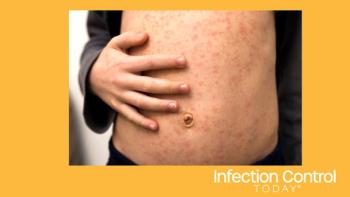
Willingness to vaccinate can stall at the appointment stage. This Q&A explores how local data, community partnerships, and easier access can help close measles vaccination gaps and track equitable progress.
Six months into the DRC’s Ebola outbreak, violence, unpaid wages, and community resistance continue to disrupt care and contact tracing. This commentary examines the human cost and the work needed to reach affected communities.
A quick wipe can leave a surface looking clean. Odafe Ejetavbo examines 5 common disinfection misconceptions and explains why contact time, surface compatibility, and clear protocols matter when staff are pressed for time.
What can hospitals miss when they focus on CLABSI rates? The authors examine how broader surveillance of bloodstream infections could help link potentially preventable catheter-related infections to longer stays, higher costs, and discharge needs.