News|Articles|October 15, 2026
WHO 5 Moments for Hand Hygiene: How to Apply Them in Ambulatory and Outpatient Care
Author(s)Jamar Shaw, MD, MPH, CIC
In honor of Global Handwashing Day, Jamar Shaw, MD, MPH, CIC, explains how applying the WHO 5 Moments to actual care sequences can reduce transmission risks in ambulatory settings.
Advertisement
Advertisement
“Gel in, gel out” has become a familiar shorthand for hand hygiene: clean hands when entering a room and again when leaving. The reminder is useful, but in ambulatory care, it can become a mental shortcut that obscures what hand hygiene is designed to interrupt. Organisms do not recognize doorways. Transmission depends on what the hands touched, what they are about to touch, and what happens next.

Related to this article

This week's coverage in Infection Control Today centered on a common thread: the systems, partnerships, and data that let infection prevention teams catch problems before patients are harmed.

What might infection prevention rounds miss when visible conditions dominate the conversation? Tommy Davis, PhD, CMIP, a member of ICT's executive advisory board, makes the case for structured observations of clinical workflows, shared accountability, and greater attention to environmental services staff’s insights.

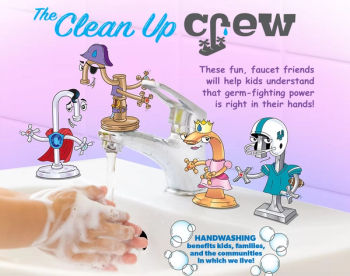
Artist and designer Matthew Caliman shares how personal loss inspired the Cleanup Crew, a handwashing education project using cartoon faucets, songs, and games to help families revisit an essential health message.

This week on Infection Control Today, the stories ranged from emerging drug-resistant pathogens circling the globe to a landmark decade of surface science—all against a backdrop of ongoing outbreaks and a hard look at what the profession owes its own workforce.

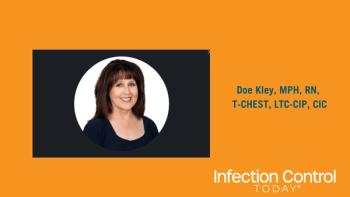
Doe Kley, MPH, RN, T-CHEST, LTC-CIP, CIC, discusses how environmental hygiene supports efforts to contain antimicrobial resistance, examining disinfectant efficacy, dilution failures, shared equipment, and the partnership between infection prevention and environmental services teams.

AI tools may help clinicians recognize sepsis earlier, but false alarms, limited external validation, and uncertain effects on patient outcomes complicate their use in adult and neonatal intensive care.

An imported case of Bundibugyo virus disease in Kenya raises questions about airport screening, clinical recognition, and potential exposures, highlighting the importance of coordinated contact tracing and hospital infection prevention readiness.
Advertisement
Advertisement