A proposed hepatitis B vaccine trial in Guinea-Bissau raises concerns about delaying newborn protection. This commentary examines the ethical obligations of researchers and the consequences of weakening established prevention efforts.
Diagnostic uncertainty, time pressure, and perceived patient expectations can influence antibiotic prescribing. This Q&A explores how clearer communication, diagnostic tools, and practical follow-up plans can support outpatient stewardship.
Willingness to vaccinate can stall at the appointment stage. This Q&A explores how local data, community partnerships, and easier access can help close measles vaccination gaps and track equitable progress.
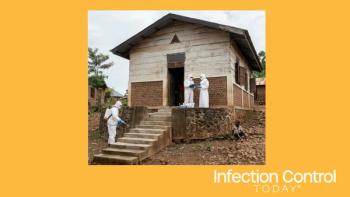
Six months into the DRC’s Ebola outbreak, violence, unpaid wages, and community resistance continue to disrupt care and contact tracing. This commentary examines the human cost and the work needed to reach affected communities.
A quick wipe can leave a surface looking clean. Odafe Ejetavbo examines 5 common disinfection misconceptions and explains why contact time, surface compatibility, and clear protocols matter when staff are pressed for time.
What can hospitals miss when they focus on CLABSI rates? The authors examine how broader surveillance of bloodstream infections could help link potentially preventable catheter-related infections to longer stays, higher costs, and discharge needs.
The US lost its measles elimination status, which it has held since 2000. Tinglong Dai, PhD, explains how missed appointments, neighborhood vaccination gaps, and limited surge capacity can hamper measles response, and what health systems can do before an outbreak tests their plans.