A proposed hepatitis B vaccine trial in Guinea-Bissau raises concerns about delaying newborn protection. This commentary examines the ethical obligations of researchers and the consequences of weakening established prevention efforts.
A proposed $27.7 million reduction in AHRQ funding raises questions about support for infection prevention research and implementation. Here is what the September 25 announcement identifies, as well as what remains unknown about specific IPC programs.
At IDWeek 2026, Jimmy Chang, PhD, discussed investigational HIV antibodies TMB-365 and TMB-380, explaining their complementary mechanisms, early study findings, and ongoing evaluation as a long-acting maintenance regimen.
At IDWeek 2026, Samuel Ntow, MBChB, MPH, discussed research findings of reactive infection screening markers in 18.3% of replacement donor records from rural Ghana, highlighting opportunities for further evaluation and linkage to care.
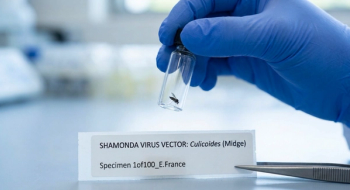
France’s first reported human Shamonda virus infection raises questions about transmission and vulnerable patients. Explore what investigators know, what remains uncertain, and why infection preventionists should follow this emerging story.
John Rex, MD, CMO of F2G, discusses investigational olorofim’s phase 3 findings, why new antifungals are difficult to develop, and how an oral option could help patients with limited treatment choices.
An analysis of 147 million US hospital admissions identified 875 adults with brucellosis diagnoses, highlighting demographic and regional differences while emphasizing exposure histories and uncertainty about underdiagnosis.
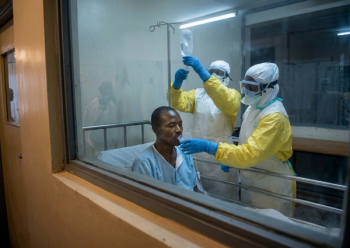
Kenya’s secondary Ebola cases raise urgent questions about hospital readiness. Explore what the response reveals about contact tracing, health care worker protection, and the implementation of infection prevention plans.