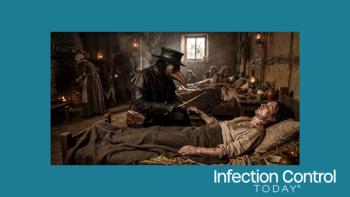
An unexplained death at a Russian plague research institute has prompted international scrutiny. The incident raises questions about laboratory safety, transparent reporting, and infection prevention preparedness while the cause remains unconfirmed.
It’s time for the public to vote for the best video in the HHS Flu Prevention Public Service Announcement (PSA) Contest. The producer of the winning video gets a $2,500 cash award, and the winning PSA will be broadcast on national television.
When HHS Secretary Kathleen Sebelius announced the contest asking people to help promote flu prevention, the department had no idea what to expect, but some 240 video PSAs were uploaded on YouTube.
All videos were reviewed for adherence to message and length criteria. More than 100 videos qualified for the next step: review by a panel of expert judges. Their review is complete, and it’s down to the final 10.
The HHS says, “Viewers are asked to keep in mind as they watch the PSAs that we needs to reach as many people as possible. We are entering the fall flu season, and the 2009 H1N1 flu could impact all of us, so getting the message out on how we can best avoid the flu is critical. Think young and old; students and mothers; and those most vulnerable – then tell us which video delivers the flu prevention message best.”
Voting started on YouTube.com at 12:01 a.m.ET on Saturday, Aug. 29, and runs through 11:59 p.m. ET time on Wednesday, Sept.16.
Information on the contest and how to vote is available at